
For years, mindfulness has been widely associated with stress reduction, relaxation, and meditation. While these are important benefits, mindfulness—when applied with precision—has the power to reshape the brain, optimize cellular function, and recalibrate the body’s physiological processes to enhance longevity, cognitive performance, and resilience.
The NeuroCellica Protocol, developed by Saurabh Gupta, is a cutting-edge, structured system that integrates neuroscience, bioenergetics, and advanced mindfulness methodologies. Unlike conventional approaches, this protocol is designed to optimize brain function, improve cellular metabolism, and regulate the body’s neurophysiological rhythms. The result is a high-functioning, efficient, and adaptive human system that supports cognitive clarity, sustained energy, and longevity.
This methodology is not theoretical; it has been tested and refined over decades of experience, working with elite athletes, top industrialists, Hollywood and Bollywood actors, world-renowned musicians, and individuals suffering from critical illnesses. Through years of hands-on application and scientific refinement, Saurabh Gupta has engineered the NeuroCellica Protocol as the next evolution of peak human potential.
Saurabh Gupta: The Mind Behind NeuroCellica Protocol
Saurabh Gupta is a global authority on mindfulness, cognitive performance, and longevity, having worked extensively with some of the world’s most influential figures. His work spans elite athletes, Fortune 500 CEOs, Hollywood and Bollywood icons, musicians, diplomats, and top industrialists—individuals who require high-functioning minds and bodies to sustain their demanding lifestyles.
His clientele includes World Heavyweight Boxing Champion Lennox Lewis, top footballers from PSG, Bollywood superstar Hrithik Roshan, and Rohan Marley, the son of legendary Bob Marley. These high performers do not have the luxury of fatigue, burnout, or cognitive decline—their ability to operate at peak efficiency is non-negotiable.
Beyond peak performance, Saurabh has also worked with thousands of patients suffering from chronic and critical illnesses, including cancer, autoimmune disorders, post-surgical recovery cases, and neurodegenerative conditions. His experience in enhancing cellular recovery, strengthening immune resilience, and optimizing neurophysiological function has directly contributed to the development of the NeuroCellica Protocol, making it one of the most advanced mind-body transformation systems in existence.
This is not a generic mindfulness model—it is a scientifically refined, high-impact system designed for real-world application and measurable outcomes.
The Science Behind NeuroCellica Protocol
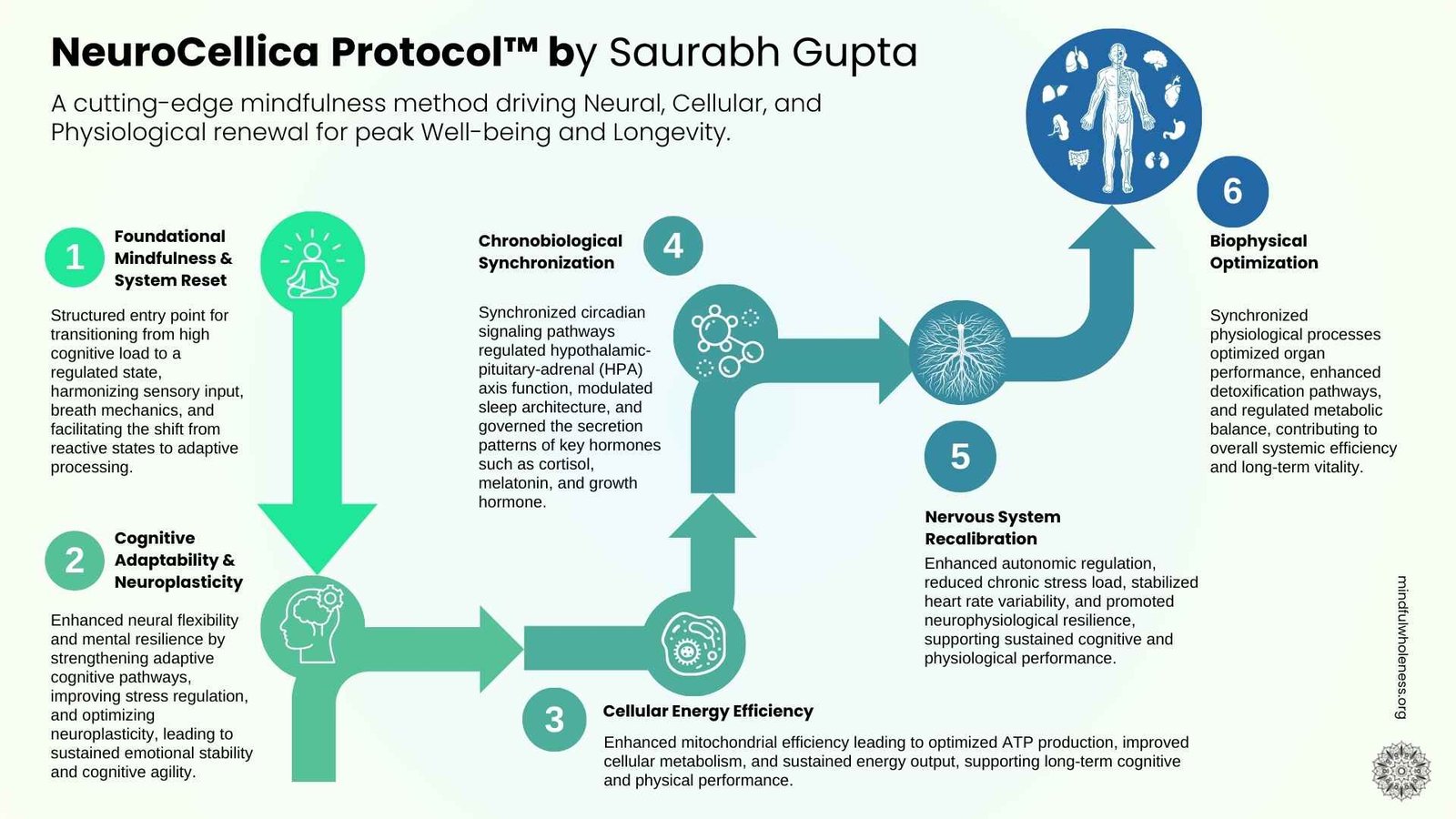
The NeuroCellica Protocol is structured as a systematic approach to neural, cellular, and physiological optimization, integrating principles from neuroscience, bioenergetics, autonomic regulation, and metabolic physiology. Unlike traditional wellness practices that focus on isolated interventions, this protocol is designed as a progressive framework, where each phase introduces specific physiological adaptations that prepare the system for the next stage of optimization.
The six phases target distinct yet interconnected biological functions, ensuring neurological plasticity, energy efficiency, circadian alignment, autonomic balance, and systemic regulation occur in a structured, sequential manner. This ensures that adaptations in neural processing, cellular metabolism, and organ function are reinforced rather than isolated, allowing for a cumulative effect on resilience and longevity.
Each phase is designed to progressively shift physiological states, creating an adaptive system capable of maintaining homeostasis under varying conditions. By recalibrating regulatory mechanisms—such as the hypothalamic-pituitary-adrenal (HPA) axis, vagal tone, mitochondrial function, and metabolic flexibility—the protocol enhances the body’s capacity for self-regulation and efficient energy distribution.
This model is grounded in biological efficiency and systemic integration, ensuring that improvements in cognitive and physiological processes are sustained over time, rather than being transient responses to external interventions.
Step 1: Foundational Mindfulness & System Reset
Before the brain and body can adapt, heal, or enhance performance, they must first be recalibrated. The modern world exposes individuals to continuous stress, overstimulation, and cognitive overload, leaving the nervous system in a dysregulated state. Without addressing these underlying imbalances, even the most powerful transformation techniques fail to take full effect.
The Foundational Mindfulness & System Reset phase of the NeuroCellica Protocol serves as the starting point for all mental and physiological upgrades. It is designed to disrupt dysfunctional patterns, clear cognitive and emotional noise, and regulate nervous system activity so that the mind and body can enter a state of true adaptability. This is the foundation upon which neuroplasticity, cellular renewal, and physiological optimization can take place.
Why Resetting the System is Crucial
Every day, the human body encounters thousands of stressors—some external, such as work pressure and environmental toxins, and others internal, such as negative thought loops and inefficient physiological patterns. Many people do not realize that their brains are operating under constant strain, even in states of rest. This can manifest as mental fog, difficulty concentrating, poor sleep, lack of motivation, and emotional instability.
Additionally, the nervous system often gets stuck in a fight-or-flight response, keeping the body in high alert mode, even when no immediate danger is present. Over time, this chronic activation depletes energy reserves, disrupts hormonal cycles, and prevents the body from efficiently repairing itself.
People from all walks of life—whether a high-powered executive, an athlete recovering from injury, a parent managing daily responsibilities, or an individual struggling with chronic stress—experience these symptoms to varying degrees. However, most accept them as part of life rather than recognizing them as signs of a deeper dysregulation that can be corrected.
How the Foundational Mindfulness & System Reset Works
This phase is centered on reducing cognitive load, harmonizing sensory input, and shifting the nervous system from a reactive state to an adaptive state. It uses a structured blend of breathwork, autonomic regulation, and neuroadaptive techniques to restore equilibrium, allowing individuals to operate from a calm, clear, and efficient baseline.
The process begins with breath regulation techniques that help modulate the autonomic nervous system (ANS). Specific controlled breathing exercises influence heart rate variability (HRV), oxygenation, and vagal nerve activation, all of which contribute to a rapid transition from stress mode to recovery mode.
Simultaneously, sensory recalibration techniques are introduced to restore balance in the brain’s processing of environmental and internal stimuli. This is critical because overstimulation—such as excessive screen exposure, multitasking, and mental clutter—can lead to cognitive inefficiency. By learning to filter and process information with greater control, individuals experience a sense of mental clarity and focus that remains with them throughout the day.
Another essential aspect of this phase is postural and physiological alignment. Many people underestimate the impact of body positioning on cognitive and emotional states. Simple yet powerful postural adjustments optimize spinal alignment, improve circulation, and enhance neural signaling, which together create a more balanced and efficient physiological system.
At this stage, the mind-body connection becomes clear—when the nervous system is recalibrated, the brain processes thoughts differently, emotions feel more regulated, and the body enters a state of active recovery rather than depletion.
Real-World Applications: From High Performers to Everyday Life
The ability to reset and recalibrate the system is beneficial to anyone who wants to function at their highest potential, regardless of background or lifestyle.
For individuals in high-pressure environments, such as CEOs, doctors, and decision-makers, this phase reduces decision fatigue, enhances problem-solving abilities, and allows for clearer strategic thinking. When the brain is not operating under excessive strain, it can prioritize tasks, manage stress efficiently, and sustain peak cognitive function for longer periods.
Athletes, both professional and recreational, benefit from this phase as well. Neuromuscular coordination, reaction time, and recovery rates are all dependent on a well-regulated nervous system. In sports, milliseconds make a difference, and an athlete’s ability to transition between high-performance exertion and rapid recovery determines their success. Many world-class athletes unknowingly suffer from overtraining syndrome, where the nervous system is permanently stuck in activation mode, leading to burnout, injuries, and diminishing performance. The NeuroCellica Protocol addresses these issues by ensuring optimized nervous system regulation, allowing athletes to train harder, recover faster, and extend their careers.
Beyond high-performance professionals, this phase is particularly valuable for individuals dealing with chronic stress, anxiety, and sleep disturbances. Many people report experiencing racing thoughts, difficulty winding down, and disrupted sleep cycles, which often stem from poor autonomic nervous system regulation. By implementing foundational mindfulness techniques, these individuals can experience deeper sleep, improved emotional regulation, and reduced anxiety levels within just a few sessions.
Additionally, this phase has been proven highly effective for individuals recovering from illness or medical procedures. Patients dealing with cancer, autoimmune disorders, post-surgical healing, and hormonal imbalances often struggle with metabolic inefficiencies, immune system suppression, and chronic fatigue. In these cases, stress regulation plays a vital role in healing—when the nervous system is functioning optimally, the body is better able to allocate resources to cellular repair, immune function, and overall regeneration.
The Power of Foundational Mindfulness & System Reset
The NeuroCellica Protocol does not begin with deep cognitive rewiring or intense physiological optimization. Instead, it prioritizes resetting the system first, ensuring that every individual—whether a high-performing professional, an athlete, or someone recovering from illness—can eliminate inefficiencies, clear stress-induced disruptions, and create a solid baseline for transformation.
This stage is not just about relaxation. It is about creating a precise neurological and physiological state where real change becomes possible. Once the system is calibrated correctly, the next phases of the protocol can unfold naturally, leading to enhanced cognitive flexibility, cellular energy efficiency, and ultimately, a state of optimized well-being and longevity.
Step 2: Cognitive Adaptability & Neuroplasticity
Once the mind-body system has been recalibrated and stabilized, the next stage in the NeuroCellica Protocol focuses on rewiring neural pathways, strengthening cognitive adaptability, and optimizing neuroplasticity. This is where deep transformation begins, as the brain shifts from habitual processing loops to a dynamic, high-functioning state that enhances learning, memory, problem-solving, and emotional regulation.
What is Cognitive Adaptability?
Cognitive adaptability is the brain’s ability to shift between different modes of thinking, respond to new information, and develop resilience to stress and uncertainty. A person with high cognitive adaptability can make better decisions under pressure, regulate emotions effectively, and process information with greater speed and efficiency.
Most people operate with rigid cognitive patterns, meaning their brains default to habitual responses rather than adaptive ones. This leads to poor decision-making, emotional reactivity, and an inability to break free from limiting thought cycles. The goal of this phase is to interrupt these automatic responses and train the brain to be more flexible, efficient, and capable of sustained high performance.
Why Neuroplasticity is the Key to High Performance
Neuroplasticity is the brain’s ability to reorganize itself by forming new neural connections. It is the foundation of learning, memory formation, skill development, and behavioral change. While once thought to be fixed after childhood, modern neuroscience has proven that the brain retains its plasticity well into adulthood—but only if it is actively trained.
However, neuroplasticity is a double-edged sword. If the brain is left untrained, it can reinforce negative thought loops, chronic stress responses, and inefficient cognitive patterns. Many people unknowingly strengthen stress-induced circuits, making it harder for them to focus, manage emotions, or think clearly under pressure. The NeuroCellica Protocol ensures that neuroplasticity is harnessed in a way that enhances mental clarity, problem-solving, and long-term resilience.
Training the Brain to Adapt Under Pressure
This phase of the protocol employs highly targeted mindfulness and neuroadaptive techniques to refine cognitive function. Unlike conventional approaches that focus on passive relaxation, this step actively trains the brain to respond more efficiently to stimuli, reframe challenges, and strengthen executive function.
Through a combination of structured attention exercises, guided cognitive reframing, and real-time neurofeedback techniques, this process enhances the brain’s ability to switch between high-focus and broad-awareness states effortlessly. This allows individuals to access heightened concentration when needed while maintaining flexibility in thought and response.
For those in fast-paced professions, such as stock traders, emergency responders, and medical professionals, this ability is critical. The difference between making the right or wrong decision in a high-stakes moment often comes down to how well the brain can adapt under pressure.
Who Benefits from Cognitive Adaptability Training?
Entrepreneurs and Business Leaders:
Business environments demand quick decision-making, strategic thinking, and emotional regulation. Many entrepreneurs struggle with mental rigidity, where they continue making decisions based on outdated patterns rather than adapting to real-time data and changing markets. By strengthening cognitive adaptability, individuals in leadership roles can process information faster, anticipate challenges, and make decisions with greater precision.
Individuals in Creative Fields:
Artists, writers, and designers depend on fluid thinking and idea generation. However, creative blocks often stem from cognitive rigidity and overactive stress responses. This phase loosens restrictive thought patterns and enhances divergent thinking, allowing for breakthrough creativity and sustained artistic flow.
Athletes and Tactical Professionals:
Sports, martial arts, and military training require split-second decision-making, situational awareness, and adaptability under extreme stress. This phase enhances the brain’s ability to process complex scenarios quickly, adjust strategy in real time, and maintain clarity even under fatigue.
People Recovering from Trauma or Burnout:
Trauma, whether physical or emotional, can create fixed neural pathways that trap individuals in repetitive emotional loops and avoidance behaviors. This phase of the protocol trains the brain to reprocess past experiences in a more adaptive way, reducing the mental and physiological burden of stress-related memories.
How This Process is Applied in Real Life
A corporate executive struggling with high-stakes negotiations and unpredictable challenges may find themselves emotionally reactive, hesitant in decision-making, or easily overwhelmed by complex information. By enhancing cognitive adaptability, they can train their brain to assess situations objectively, regulate emotional responses, and pivot strategies when necessary.
A musician or performer accustomed to strictly rehearsed routines might struggle when faced with unexpected changes in a live setting. By developing neural flexibility, they can train their brain to stay relaxed under pressure, respond creatively in the moment, and perform at their highest level regardless of circumstances.
An individual recovering from chronic stress or burnout may have difficulty shifting from a stress-driven mental state to a calm, productive one. By engaging in neural restructuring techniques, they can retrain their brain to respond to challenges with resilience rather than anxiety, leading to a greater sense of mental ease and long-term stability.
The Role of Mindfulness in Rewiring the Brain
Mindfulness is often misunderstood as simply a relaxation practice. In the NeuroCellica Protocol, mindfulness is an active tool for rewiring the brain and enhancing executive function. The structured techniques used in this phase work by training individuals to direct their focus deliberately, expand awareness, and engage in cognitive reframing exercises that break old patterns.
By teaching the brain to observe thought patterns rather than react to them, individuals gain greater control over their mental processes, allowing them to navigate challenges with clarity and confidence.
Neuroplasticity is the gateway to transformation. Without it, personal growth, skill acquisition, and emotional regulation remain limited. By strengthening cognitive adaptability, individuals experience enhanced memory retention, faster learning capabilities, improved emotional intelligence, and greater resilience to uncertainty.
This step in the NeuroCellica Protocol ensures that every individual—regardless of background or profession—develops a brain that is adaptable, high-functioning, and capable of thriving in any environment.
Once the brain has achieved this level of adaptability, the next phase of the protocol focuses on cellular energy efficiency, optimizing mitochondrial function, and ensuring sustained physical and mental performance.
Step 3: Cellular Energy Efficiency – Unlocking Mitochondrial Power for Sustained Vitality
Once the mind is adaptable and primed for neuroplasticity, the next step in the NeuroCellica Protocol shifts focus to the biological powerhouse of human performance—cellular energy production. This phase is centered on optimizing mitochondrial function, improving metabolic efficiency, and sustaining energy output to support both cognitive endurance and physical resilience.
In a world where fatigue, brain fog, and metabolic slowdowns have become normalized, many people fail to realize that their low energy levels and declining mental clarity are not simply results of aging or external stressors. At the core of these issues lies the efficiency (or inefficiency) of mitochondrial function—the energy generators within our cells.
What is Cellular Energy Efficiency?
Every function in the human body, from breathing and thinking to muscle contraction and immune response, requires energy. This energy is produced by mitochondria, tiny organelles within cells responsible for generating adenosine triphosphate (ATP), the fuel that powers all biological processes.
However, mitochondria can become dysfunctional due to chronic stress, poor metabolic regulation, oxidative damage, and suboptimal lifestyle habits. When this happens, the body struggles to produce enough clean energy to sustain peak function, leading to fatigue and sluggishness, even after rest, reduced cognitive clarity and slower processing speed, weaker immune function and slower recovery from exertion, increased inflammation and premature aging.
Why Mitochondrial Function is Key to Performance and Longevity
Many people mistakenly believe that energy levels are determined by how much they sleep, eat, or exercise, but energy is actually a biological output of mitochondrial efficiency. If mitochondria are not functioning optimally, even the best diet, sleep, and training regimens will fail to produce consistent, sustainable energy.
In this phase of the NeuroCellica Protocol, specific techniques are used to:
- Increase mitochondrial density, ensuring cells have more energy-producing units
- Enhance ATP production, maximizing the efficiency of cellular energy generation
- Improve oxygen utilization, optimizing metabolism for sustained endurance
- Regulate oxidative stress, preventing premature cellular aging
This is not just about feeling more energized—it’s about ensuring the brain and body operate at their peak potential for long-term resilience, longevity, and mental sharpness.
Who Benefits from Cellular Energy Optimization?
Professionals Experiencing Cognitive and Physical Fatigue
Many executives and knowledge workers experience daily burnout, difficulty concentrating, and constant reliance on stimulants like caffeine. These symptoms are often misinterpreted as stress when they are actually signs of mitochondrial inefficiency. By restoring cellular energy balance, individuals regain sustained mental clarity, better decision-making capacity, and the ability to work without constant energy crashes.
Athletes and Physically Active Individuals
For athletes, mitochondrial health determines stamina, endurance, and recovery speed. Without efficient ATP production, muscle cells experience faster fatigue, delayed recovery, and decreased strength output. By improving mitochondrial function, athletes are able to train harder, recover faster, and extend their peak performance years.
Individuals Dealing with Chronic Fatigue and Metabolic Disorders
For people suffering from chronic illnesses, autoimmune conditions, or metabolic disorders, poor mitochondrial function is often one of the underlying causes of energy depletion and systemic inflammation. Many individuals who experience chronic fatigue syndrome (CFS), fibromyalgia, or hormonal imbalances unknowingly suffer from low mitochondrial output, preventing their bodies from functioning efficiently.
Aging Individuals Looking to Maintain Youthfulness and Longevity
Mitochondrial function declines with age, contributing to loss of muscle mass, slower metabolism, and cognitive decline. This phase of the NeuroCellica Protocol helps reverse mitochondrial dysfunction, allowing individuals to maintain high energy levels, prevent premature aging, and sustain mental sharpness well into later years.
How the NeuroCellica Protocol Enhances Cellular Energy
This phase of the protocol employs specific bioenergetic techniques, guided breathwork, and physiological activation protocols designed to stimulate mitochondrial biogenesis (the creation of new mitochondria), increase ATP production, and enhance metabolic efficiency.
Oxygen Utilization and Breath Regulation
Oxygen is a critical component of ATP production. Without proper oxygenation, mitochondria struggle to efficiently convert nutrients into usable energy. This phase incorporates controlled breathing techniques that optimize oxygen intake, regulate CO₂ balance, and ensure optimal cellular respiration.
Cellular Detoxification and Oxidative Stress Reduction
Every ATP-producing cycle generates oxidative byproducts that, if not properly regulated, lead to inflammation and premature aging. This phase enhances mitochondrial detox pathways, ensuring that cells remain resilient and damage-free.
Metabolic Flexibility Training
Many people experience energy crashes because their bodies lack the ability to switch efficiently between glucose and fat metabolism. This phase incorporates techniques that train the body to use different fuel sources efficiently, preventing sudden drops in energy levels and allowing for sustained performance throughout the day.
ATP Production Enhancement Through Micro-Movements
Small, targeted movements—when executed with precise breath control and neuromuscular activation—can stimulate mitochondrial output without causing energy depletion. This ensures that energy reserves are maximized without additional physical stress on the system.
Real Life Scenarios
A high-performing entrepreneur who works long hours and struggles with afternoon energy crashes may believe they need more sleep or stimulants, when in reality, their mitochondria may be producing energy inefficiently. By retraining their oxygen utilization, metabolic flexibility, and ATP production, they experience steady energy levels throughout the day without reliance on caffeine.
An endurance athlete who constantly hits performance plateaus despite training harder may find that their mitochondria are not sustaining peak energy production. By applying targeted cellular energy techniques, they extend their stamina, increase speed, and recover faster between training sessions.
An individual dealing with chronic fatigue and post-viral symptoms may struggle to get through simple daily tasks. Rather than simply resting more, they need to enhance mitochondrial efficiency and detoxify accumulated oxidative stress, allowing for true energy restoration rather than short-term symptom relief.
Cellular energy efficiency is the biological foundation for all physical and mental performance. Without optimized ATP production, oxygen utilization, and metabolic flexibility, even the most adaptable mind will eventually experience fatigue, brain fog, and reduced resilience.
This phase ensures that individuals do not just feel more energized but actually operate at a fundamentally higher level of cellular efficiency. Once the body’s energy systems are optimized, the next step in the NeuroCellica Protocol focuses on Chronobiological Synchronization—aligning circadian rhythms, optimizing sleep architecture, and regulating hormonal balance for long-term stability and regeneration.
Step 4: Chronobiological Synchronization – Aligning the Body’s Internal Clock for Hormonal Balance and Longevity
After optimizing cognitive adaptability and cellular energy efficiency, the next stage of the NeuroCellica Protocol focuses on one of the most overlooked but critical aspects of human performance—biological rhythms. Every function in the human body, from hormone production and digestion to sleep cycles and mental alertness, operates on a precise circadian and ultradian rhythm. When these internal clocks are disrupted, the body experiences hormonal imbalances, metabolic inefficiencies, cognitive fog, and immune dysfunction.
Chronobiological Synchronization is about realigning the body’s internal timing systems to ensure that key physiological functions happen at the right time, in the right sequence, with maximum efficiency.
The Hidden Power of Biological Rhythms
Most people think of their biological clock in relation to sleep, but it governs far more than just rest. The circadian system regulates every major function in the body, including:
- The release of essential hormones like melatonin, cortisol, and growth hormone
- The activation of metabolic processes like fat burning and glucose regulation
- The timing of immune function and cellular repair mechanisms
- The efficiency of brain function, mood regulation, and emotional resilience
When these rhythms are aligned, the body operates with effortless efficiency—mental clarity is sharp, sleep is deep and restorative, and energy levels are sustained throughout the day. However, when these rhythms are misaligned, the body falls into chaotic hormonal patterns, leading to fatigue, inflammation, premature aging, and increased risk of chronic disease.
What Causes Circadian Disruption?
In the modern world, most people’s biological rhythms are completely out of sync. Factors that contribute to this disruption include Irregular sleep schedules and exposure to artificial light at night, excessive screen time and blue light exposure before bed, erratic meal timings that confuse metabolic regulation, high-stress lifestyles that elevate cortisol at the wrong times, travel and shift work that throw off time-based biological processes
When the body loses its internal alignment, hormone release becomes erratic, digestion slows down, cognitive sharpness declines, and aging accelerates at the cellular level. Many people blame stress, poor diet, or aging for their declining energy and focus, when in reality, their biological clock is simply out of sync.
How the NeuroCellica Protocol Restores Biological Rhythms
This phase of the protocol retrains the body’s timing systems, ensuring that key biological functions happen in alignment with natural cycles. The process focuses on:
Regulating the Hypothalamic-Pituitary-Adrenal (HPA) Axis
The HPA axis controls stress response and hormonal release. If misaligned, it leads to constant cortisol elevation, which negatively impacts energy levels, sleep quality, and immune function. The NeuroCellica Protocol uses breath control and neurological signaling techniques to reset the HPA axis, ensuring that cortisol peaks and declines at the appropriate times.
Optimizing Sleep Architecture for Deep Recovery
The body follows multiple sleep cycles, including REM (Rapid Eye Movement) and deep slow-wave sleep, which are responsible for memory consolidation, cellular repair, and emotional processing. This phase introduces specific breathwork and sensory regulation practices that deepen sleep efficiency, ensuring that the body enters high-quality, uninterrupted sleep states.
Aligning Cortisol and Melatonin Rhythms
Cortisol should rise in the morning to provide alertness and fall in the evening, while melatonin should increase at night to induce sleep. Many people have inverted cortisol-melatonin cycles, leading to morning fatigue, afternoon energy crashes, and nighttime restlessness. The protocol integrates techniques that regulate light exposure, breathing rhythms, and neurological signaling to restore these natural cycles.
Synchronizing Metabolic and Digestive Timing
The body’s metabolism is tied to circadian rhythms—digestion and fat-burning efficiency fluctuate throughout the day. By aligning meal timing with natural metabolic peaks, this phase prevents unnecessary fat storage, stabilizes blood sugar levels, and enhances nutrient absorption.
Who Benefits from Chronobiological Synchronization?
Entrepreneurs and Executives Battling Sleep and Energy Fluctuations
Many high-performing professionals operate on inconsistent sleep schedules, suffer from afternoon crashes, and rely on caffeine to stay alert. By resetting their biological rhythms, they regain sustained energy throughout the day and deep, uninterrupted sleep at night.
Athletes and Physically Active Individuals Seeking Faster Recovery
Recovery from training is deeply tied to sleep cycles and hormonal regulation. Many athletes struggle with delayed recovery times and inconsistent sleep quality, preventing them from performing at their peak. By synchronizing sleep cycles, hormone release, and cellular repair mechanisms, they experience faster muscle recovery, improved endurance, and lower injury risk.
Individuals Struggling with Insomnia and Chronic Fatigue
For those who suffer from poor sleep, restless nights, and constant exhaustion, circadian misalignment is often the root cause. Many turn to sleeping pills or stimulants, but these only mask the symptoms. Restoring natural sleep-wake cycles and hormonal balance eliminates the need for external aids and allows for genuine rest and rejuvenation.
People Seeking Longevity and Anti-Aging Benefits
The body’s ability to repair and regenerate itself is dictated by biological rhythms. When these rhythms are in sync, cellular turnover is optimized, inflammation is reduced, and the aging process slows down. This phase ensures that individuals experience youthful energy, sharper cognitive function, and enhanced immune resilience well into later years.
Some Real Life Examples
A business leader who wakes up feeling exhausted despite sleeping for seven hours may believe they have a sleep disorder. In reality, their circadian rhythms are misaligned, and their cortisol levels may be peaking at the wrong times. By resetting their biological clock, they wake up feeling refreshed, energized, and mentally sharp without caffeine dependency.
A frequent traveler or shift worker who struggles with jet lag or erratic sleep patterns can use circadian alignment techniques to adjust their internal body clock more efficiently, allowing them to adapt to new time zones or work schedules without performance dips.
A fitness enthusiast who finds that their progress has stalled despite proper training and diet may be eating or sleeping at the wrong times, disrupting metabolic efficiency. By aligning their meal timing, recovery cycles, and hormonal fluctuations, they unlock faster fat loss, better muscle growth, and improved energy levels.
Biological rhythms are the foundation of sustained performance, metabolic health, and longevity. Without proper synchronization, hormonal imbalances, cognitive decline, and energy fluctuations will persist, no matter how much an individual focuses on diet, training, or mindfulness.
This phase ensures that every individual, from high-performing professionals to those recovering from stress and burnout, can operate in alignment with their natural biological timing, allowing for effortless energy, mental sharpness, and deep restorative sleep.
Step 5: Nervous System Recalibration – Mastering the Stress Response for High-Performance Living
With biological rhythms synchronized and cellular energy efficiency optimized, the next phase of the NeuroCellica Protocol focuses on strengthening the autonomic nervous system (ANS), regulating stress responses, and enhancing long-term resilience.
Modern life constantly triggers fight-or-flight activation, keeping many people in a state of chronic nervous system overdrive. Whether it’s the pressure of deadlines, financial stress, emotional strain, or simply the overstimulation of digital life, most people’s nervous systems never fully return to a state of equilibrium.
The problem? A dysregulated nervous system silently depletes energy, disrupts hormonal function, weakens immune resilience, and accelerates aging.
This phase is about breaking the cycle of chronic stress, recalibrating the autonomic nervous system, and retraining the body to shift effortlessly between states of high performance and deep recovery.
Why the Nervous System is the Master Regulator
The autonomic nervous system (ANS) controls involuntary processes like heart rate, digestion, respiratory function, and hormone secretion. It consists of two main branches:
The Sympathetic Nervous System (SNS) – responsible for high-alert responses (fight-or-flight mode).
The Parasympathetic Nervous System (PNS) – responsible for recovery, digestion, and relaxation (rest-and-digest mode).
A well-regulated nervous system switches between these states effortlessly—activating sharp focus, energy, and quick decision-making when needed, then returning to deep relaxation and repair when the task is complete.
However, most individuals experience sympathetic overdrive, where the body remains locked in a heightened stress response, leading to:
- Elevated cortisol and adrenaline levels, draining energy reserves
- Disrupted digestion, poor nutrient absorption, and gut inflammation
- Increased heart rate variability (HRV) imbalances, leading to fatigue and anxiety
- Compromised immune function, making the body more susceptible to illness
- Persistent muscle tension and chronic pain syndromes
- Emotional instability and reduced stress tolerance
If the nervous system cannot properly shift between activation and recovery, individuals experience constant tension, reduced adaptability, and premature physical and cognitive decline.
How the NeuroCellica Protocol Restores Nervous System Balance
This phase recalibrates the ANS by retraining the body to regulate its own stress responses. Instead of relying on external substances (like caffeine to stay alert or alcohol to relax), individuals learn to control nervous system activation internally, shifting effortlessly between focus and recovery states.
Vagal Nerve Activation for Parasympathetic Control
The vagus nerve plays a critical role in regulating heart rate, digestion, and emotional stability. Many people have low vagal tone, meaning their nervous system struggles to shift into a relaxed state. The NeuroCellica Protocol uses controlled breathwork and neural entrainment techniques to enhance vagal activation, allowing for faster recovery and deeper relaxation.
Heart Rate Variability (HRV) Optimization for Resilience
HRV is a key biomarker of nervous system flexibility. High HRV means the body can adapt efficiently to stress and return to equilibrium. By integrating HRV-focused breathwork, movement synchronization, and sensory recalibration, this phase enhances stress resilience and cardiovascular efficiency.
Somatic Awareness & Stress Discharge Techniques
Chronic stress gets stored in the body, creating tension patterns that manifest as headaches, joint pain, muscle stiffness, and digestive issues. This phase incorporates structured micro-movements, postural realignment, and breath-tension release exercises to clear accumulated stress and restore neuromuscular fluidity.
Neurological Reset for Emotional Regulation
Many people struggle with emotional reactivity, where past experiences trigger automatic stress responses. This phase uses neuroadaptive mindfulness techniques to retrain the brain’s response patterns, allowing individuals to remain calm and composed in high-pressure situations without suppressing emotions.
Who Benefits from Nervous System Recalibration?
High-Stakes Professionals Managing Constant Pressure
Executives, entrepreneurs, and corporate leaders often experience chronic low-grade stress that never fully turns off. This leads to mental fatigue, decreased decision-making quality, and burnout. Nervous system recalibration allows them to stay sharp and engaged while preventing long-term exhaustion.
Athletes & Tactical Professionals Requiring High-Endurance Resilience
Athletes, military personnel, and first responders rely on quick reflexes and stress tolerance. However, without proper nervous system regulation, they become prone to overtraining, delayed recovery, and performance decline. This phase ensures they can perform under extreme pressure while maintaining long-term adaptability.
Individuals Struggling with Chronic Stress, Anxiety, and Overwhelm
For those experiencing persistent anxiety, insomnia, or emotional instability, nervous system dysregulation is often the root cause. This phase teaches the body how to regulate stress naturally, eliminating reliance on external coping mechanisms.
People with Chronic Illnesses or Autoimmune Conditions
Many chronic illnesses, including digestive disorders, autoimmune diseases, and metabolic dysfunction, are linked to autonomic imbalance. By restoring nervous system function, individuals experience improved immune regulation, reduced inflammation, and increased energy levels.
Real-Life Applications of Nervous System Mastery
A CEO who experiences high-pressure decision-making and constant stress may find themselves feeling mentally drained, emotionally reactive, and physically tense. By training their nervous system to shift between focus and relaxation modes, they regain mental clarity, control over emotional responses, and sustained energy throughout the day.
A firefighter or emergency responder who faces high-risk, high-adrenaline situations might struggle with sleep disturbances, chronic muscle tightness, and difficulty relaxing after work. Nervous system recalibration teaches their body how to recover fully, preventing long-term stress accumulation.
A parent juggling multiple responsibilities may feel constantly overwhelmed, short-tempered, and mentally fatigued. By learning how to self-regulate their nervous system, they can remain present, patient, and emotionally balanced, even in chaotic situations.
A person recovering from chronic pain or trauma may find that their body remains in a hyper-vigilant state, making relaxation difficult. This phase releases stored tension and resets the nervous system to promote deep healing.
Why This Phase is Essential for Long-Term Resilience
The nervous system is the control center of the human experience. If it remains dysregulated, individuals will constantly battle stress, struggle with energy depletion, and experience emotional instability—regardless of how well they eat, sleep, or exercise.
By restoring autonomic balance, this phase ensures that individuals can operate at peak performance without burnout, recover from stress quickly and efficiently, regulate emotions with greater stability, enhance long-term resilience against illness and aging.
Step 6: Biophysical Optimization – Achieving Total Systemic Efficiency for Longevity and Performance
With nervous system recalibration complete, the final phase of the NeuroCellica Protocol focuses on achieving full-body efficiency by optimizing organ function, detoxification pathways, and metabolic regulation.
Human performance, whether mental or physical, depends on how well the body’s internal systems work together. While previous stages focused on the brain, nervous system, and cellular energy, this final phase integrates everything—ensuring that all physiological processes operate at peak efficiency for long-term resilience and health.
For many people, low energy levels, recurring fatigue, and metabolic imbalances are not just the result of external stressors but inefficiencies in how their body processes nutrients, detoxifies waste, and maintains equilibrium across all organ systems. This phase refines those internal processes, ensuring that the body is functioning at its highest capacity for long-term health, recovery, and sustained energy output.
Why Biophysical Optimization is Critical for Sustained Longevity
Most people assume that if they eat well and exercise, their body will function properly. But internal systems often become compromised due to poor metabolic efficiency, toxin accumulation, and declining organ function over time.
The heart, liver, kidneys, gut, and endocrine system work in a highly coordinated manner. If one system becomes inefficient, it disrupts everything else, leading to hormonal imbalances affecting mood, sleep, and energy regulation, slower detoxification, increasing inflammation and oxidative stress, inefficient digestion, leading to nutrient deficiencies and metabolic slowdowns, and weakened immune response, leaving the body more vulnerable to disease.
Many chronic conditions- from autoimmune diseases to cardiovascular issues—are linked to poor systemic optimization. This phase ensures that the body’s core regulatory systems are operating at peak function, allowing for a longer, healthier, and more resilient life.
The Key Components of Biophysical Optimization
This phase of the NeuroCellica Protocol integrates multiple techniques to improve full-body function, promote metabolic balance, and refine internal efficiency.
Optimizing Organ Function for Peak Efficiency
Every organ in the body plays a role in either energy production, detoxification, or hormonal regulation. This phase improves blood circulation, oxygen delivery, and systemic energy flow, ensuring that the liver processes toxins efficiently without metabolic overload, the kidneys regulate hydration and electrolyte balance, optimizing cellular function, the gut microbiome is balanced, promoting better digestion and immune resilience, and the heart maintains cardiovascular efficiency, preventing unnecessary strain.
Enhancing Detoxification Pathways to Reduce Inflammation
The body naturally detoxifies itself, but chronic stress, poor diet, and environmental pollutants can disrupt these processes. This phase activates lymphatic drainage, supports liver function, and optimizes kidney filtration, ensuring that metabolic waste is eliminated efficiently and without unnecessary strain on the system.
Many individuals who experience chronic fatigue, inflammation, or unexplained sluggishness are actually dealing with an overloaded detoxification system. By restoring balance, the body functions with greater clarity, energy, and efficiency.
Regulating Metabolic Efficiency for Sustained Energy Output
Metabolic health is the foundation of longevity. This phase ensures that glucose, fat, and protein metabolism are optimized, preventing insulin resistance, energy crashes, and hormonal instability.
Many people unknowingly operate in a state of metabolic inefficiency, where their body stores excess fat rather than using it for energy, struggles with blood sugar regulation, leading to afternoon energy dips, or fails to efficiently extract and utilize nutrients from food.
By refining metabolic function, the body sustains higher energy output, faster recovery, and greater endurance throughout the day.
Aligning Neuroimmune Function for Long-Term Resilience
The immune system is directly linked to neurological and physiological balance. When internal systems are misaligned, the immune response becomes dysregulated, leading to chronic inflammation, autoimmune conditions, and increased susceptibility to infections.
This phase ensures that immune cells communicate effectively with the nervous system, reducing chronic low-grade inflammation that accelerates aging and disease progression.
Who Benefits from Biophysical Optimization?
Individuals Seeking Anti-Aging and Longevity Benefits
Aging is not just about genetics—it’s about how well the body regulates cellular damage, detoxifies waste, and maintains metabolic balance. By optimizing these functions, individuals experience increased lifespan and healthspan (living longer without disease), stronger immune defenses against age-related illnesses, and reduced oxidative stress, preventing premature aging.
Athletes and High-Performance Individuals Requiring Fast Recovery
Athletes break down muscle tissue, deplete nutrients, and generate high oxidative stress from intense training. This phase ensures faster muscle recovery by optimizing nutrient absorption, improved cardiovascular efficiency for sustained endurance, lower inflammation, preventing overuse injuries.
Individuals Struggling with Chronic Fatigue and Burnout
People suffering from persistent exhaustion, brain fog, and hormonal imbalances often have systemic inefficiencies that keep them in a low-energy state. By restoring metabolic balance and detoxification pathways, they experience more sustained energy throughout the day, stronger mental clarity without dependence on stimulants, and faster recovery from stress and exertion.
People Recovering from Chronic Illness or Medical Conditions
For individuals healing from cancer, autoimmune diseases, or long-term illness, optimizing internal physiological efficiency is critical. This phase ensures better detoxification and clearance of cellular waste, stronger immune resilience to prevent further disease progression, and more efficient metabolic function to support healing and recovery
Real-Life Applications of Biophysical Optimization
A high-powered executive who constantly feels fatigued and mentally sluggish may believe they simply need more rest or a better diet. However, their internal regulatory systems may be overloaded with stress-induced inflammation, preventing proper recovery. By optimizing detoxification and metabolic balance, they regain mental sharpness and sustained stamina without burnout.
A competitive athlete who recovers slowly from training and struggles with endurance may assume they need more protein or better workouts. In reality, their organ function and metabolic efficiency may not be keeping up with their energy demands. By enhancing internal efficiency, they experience faster recovery times, increased performance, and prolonged peak output.
An individual dealing with hormonal imbalances, frequent illnesses, and poor digestion may try various medications or supplements, without addressing the root cause—systemic inefficiency. By restoring internal regulatory processes, they achieve better immune function, more stable hormones, and higher overall energy levels.
Why This Phase is Essential for Lifelong Performance and Health
Biophysical Optimization completes the NeuroCellica Protocol, ensuring that every major system in the body functions at its highest potential. Without efficient detoxification, metabolic regulation, and systemic balance, even the best cognitive and nervous system training will be limited in long-term effectiveness.
By refining these core physiological functions, people experience stronger endurance, sustained energy, better recovery, Improved immune resilience and disease prevention, greater metabolic flexibility and nutrient absorption, lower inflammation and reduced risk of age-related decline.
Once this final phase is integrated, the NeuroCellica Protocol provides a complete framework for optimizing cognitive, neurological, and physiological health, ensuring that individuals achieve sustained performance, resilience, and longevity in every aspect of life.
The NeuroCellica Protocol is a comprehensive framework that redefines how the human system adapts, performs, and sustains longevity. Unlike fragmented wellness approaches that address symptoms rather than root causes, this protocol integrates a multi-layered, systems-based approach to recalibrate biological and cognitive functions for long-term resilience. It works by progressively enhancing neurological adaptability, cellular efficiency, metabolic regulation, and systemic coherence. It allows individuals to operate at their full potential while mitigating physiological and cognitive decline.
Scientific advancements in neuroplasticity, mitochondrial function, circadian biology, and autonomic regulation highlight that the human body is far more adaptable than previously understood. The NeuroCellica Protocol harnesses these principles, ensuring that adaptations occur in a structured, sequential manner, reinforcing rather than conflicting with one another.
A New Era of Human Optimization
The NeuroCellica Protocol is not just a methodology—it is a fundamental shift in how we approach cognitive function, cellular health, and physiological efficiency. Traditional wellness models often focus on symptom management or isolated interventions, but true longevity and high performance require a system-wide recalibration that integrates neural adaptability, energy efficiency, metabolic regulation, and systemic coherence. This protocol is designed to work in synergy with the body’s natural intelligence, ensuring that each phase reinforces and amplifies the previous one for sustained, long-term results.
As advancements in neuroscience, longevity science, and bioenergetics continue to reveal the intricate interdependence of mind and body, it is becoming clear that peak human potential is not about temporary fixes but about enhancing the body’s innate ability to regulate, recover, and thrive. The NeuroCellica Protocol represents the next step in this evolution, providing a framework that is scientifically structured, adaptable to individual needs, and designed for measurable impact.
Take the First Step Toward Transformation
Whether your goal is to enhance cognitive function, maintain steady energy, or build physiological adaptability, the NeuroCellica Protocol provides a structured, science-based approach to long-term efficiency.
Take the next step toward a higher-functioning, more resilient system—one designed not just for today, but for the demands of the future. Begin your journey with the NeuroCellica Protocol.