

In an age of constant connectivity and clamour, the ancient practice of mindfulness and meditation has found new life and new forms ;online. Whether you’re navigating stress at work, seeking to deepen your inner stillness, or even exploring a career in mindfulness teaching, there’s a digital course to meet you where you are. In this article you’ll discover 25 of the best online mindfulness and meditation courses , carefully selected, verified, and grouped by theme to help you choose exactly the right fit.
Why Take a Mindfulness or Meditation Course Online?
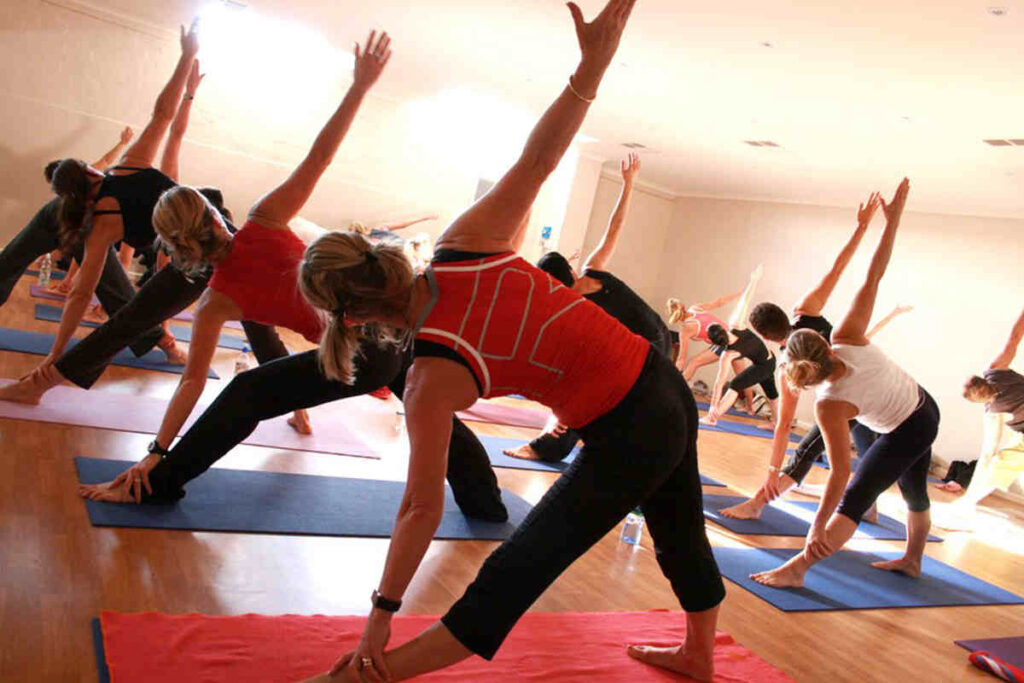
Live, in-person retreats and classes still hold immense value, but online courses bring unique strengths. First, flexibility and accessibility: you can study when your schedule allows, from your home in Thiruvananthapuram or anywhere in the world. Second, online platforms offer structured learning with clear modules, qualified instructors, and peer or community support more than ad-hoc YouTube videos. Third, many online courses offer credible certification or recognised frameworks, which can be useful if you intend to teach, integrate mindfulness into your profession, or build a wellness offering.
Additionally, with rising demand for mental wellness in workplaces, schools, and healthcare settings, taking an online course can help you integrate mindfulness into multiple dimensions of life not only for your personal benefit but for your professional or community roles. (See e.g., wide directories of mindfulness courses online.)
How We Selected These Courses?
Our selection is grounded in key criteria: (1) Credible instruction: courses taught by recognised mindfulness or meditation teachers or institutions; (2) Course depth and structure,not just one-off videos, but multi-module programs with guided practice; (3) Platform reliability and accessibility: established e-learning platforms or organisations with track records in mindfulness; (4) User reviews/community feedback: evidence the program actually works for learners; (5) Diversity of options: free and paid; beginner through advanced; personal growth through professional teacher training. We aimed to include a broad spectrum of themes so that whatever your goal; stress relief, certification, or integrating into your career; you’ll find a compelling option.
25 Best Online Courses in Mindfulness & Meditation
1. Foundational Mindfulness Courses (for Beginners)
- Mindfulness and Well‑being: Foundations (via Rice University / Coursera)
This course offers a broad overview of mindfulness concepts and practices: guided meditations, personal reflection, interactive discussion. Designed for anyone who wishes to reduce stress and become more present. - De‑Mystifying Mindfulness (via Universiteit Leiden / Coursera)
A deeper exploration of mindfulness from psychological, philosophical and societal perspectives. Good for beginners who want more than just “how to meditate”; understanding the why and context. - Mindfulness Practitioner Course (Level 1‑4) (via Udemy)
A large-volume platform course offering levels of mindfulness practice suitable for self-paced beginners who want a modular approach. - A Practical Guide to Daily Mindfulness (via Mindful Online)
A more compact commitment: practical lessons for daily habit-formation and mindful living. Good if you want to establish a consistent practice without a heavy time commitment. - Mindfulness Daily (via Tara Brach & Jack Kornfield)
A free 40-day training, guided by well-known teachers in the mindfulness field: short lessons (~10–15 min each) to help you establish the habit of meditation.
2. Meditation Courses for Stress, Focus & Anxiety Management
- Mindfulness‑Based Stress Reduction (MBSR) (via multiple providers, e.g., Mindful Leader)
Standardised 8-week programmes built on the MBSR model developed by Jon Kabat‑Zinn. Includes weekly live sessions, a day-long retreat, and daily home practice. Ideal for those serious about stress management and mindful living. - Meditation for Anxiety & Stress Relief (via Udemy)
A more focused and condensed course targeted at anxiety and stress relief; practical, self-paced, and suitable for people juggling busy lives. - Working with Overwhelm (via Mindful.org)
Targeted at people experiencing high levels of overwhelm, this course offers guided practices and tools to navigate complex emotional states. - Mindful Journaling (via Mindful.org)
Integrating meditation with journaling, this course helps convert insight into practice and habit;a useful tool if you already meditate and wish to deepen your reflection. - The Mindful Break (via Mindful.org)
A shorter lower-commitment course that offers a reset and integration of mindfulness into daily life for people who may not have hours to spare.
3. Advanced or Certified Mindfulness Teacher Training Programs
- Mindfulness Meditation Teacher Certification Program (via Sounds True)
Designed for aspiring teachers rather than casual practitioners. In-depth training, methodology, supervision and practice. - Mindfulness‑Based Stress Reduction Teaching Certificate (via Brown University)
A longer, more rigorous pathway focused on full MBSR instructor training. Reviewed in the context of top certification options. - Training in Mindfulness Facilitation (TMF) (via UCLA)
One of the leading facilitation programmes for professionals working in coaching, counselling or organisational settings. - Mindfulness Coaching School Program (via its own organisation)
Geared toward creating mindfulness coaches, blending mindfulness theory, practice and coaching methodology. - Certified Mindfulness Informed Professional (CMIP) (via PESI)
A shorter, more accessible certification for professionals seeking to integrate mindfulness into their existing practice (therapy, coaching, education).
4. Spiritual and Integrative Meditation Programs
- Deepak Chopra’s Primordial Sound Meditation (via Deepak Chopra / Chopra Center)
A spiritually framed meditation programme rooted in Vedic tradition; useful for those seeking integrative, holistic mindfulness rather than purely secular. - Transcendental Meditation Online Training (via TM organisation)
A structured meditation training with traditional roots and dedicated teacher support ;if you prefer a more formal spiritual lineage. - The M Word by Mindvalley (via Mindvalley)
A modern, lifestyle-oriented meditation programme with a holistic focus on life transformation and performance. - Awakening Your Spiritual Power through Mindfulness (via Sounds True)
Blends mindfulness with spiritual teaching, aimed at deeper transformation, meaning-making and inner awakening. - Mindful Parenting (via Positive Psychology / Sounds True)While also suitable for parents, this programme integrates mindfulness, meditation and life-meaning ; a good bridge between spiritual and practical.
5. Mindfulness for Specific Professions & Lifestyles
- Mindfulness in Education (via University of Aberdeen)
Tailored for teachers and educational professionals .helps embed mindfulness in classrooms and curriculum. - Mindfulness for Healthcare Professionals (via FutureLearn / partner)
A course designed for healthcare settings: professionals coping with stress, burnout, and patient care contexts. - Mindfulness in the Workplace (via LinkedIn Learning or corporate partners)
Practical mindfulness training for workplaces: focus, resilience, team wellbeing, leadership. - Mindful Parenting
Works for parents, caregivers and family-life settings; helping apply mindfulness in daily life, relationship dynamics and parenting. - Mindfulness for Teens
Tailored for younger learners: help teens develop presence, mental clarity, stress resilience in academic and social life.
Free vs Paid Mindfulness Courses: Which Should You Choose?
One of the key decisions you’ll face is whether to take a free course or invest in a paid programme. Free options (such as the 40-day “Mindfulness Daily” or open-audit Coursera offerings) are excellent for exploration: low risk, accessible, and help you get a feel for mindfulness. However, paid courses often offer deeper content, more personal instructor feedback, community interaction, structured schedules, and certification;which may matter if you plan to teach or integrate mindfulness professionally.
If you’re just starting out, a free or low-cost course is a fine choice. Once you experience the benefits and feel ready to commit, upgrading to a paid course or teacher-training pathway may give you greater impact and accountability.
How to Get the Most Out of an Online Mindfulness Course
- Set a regular schedule: Even 10–15 minutes a day is powerful. Many courses recommend this.
- Create a quiet, consistent space: Whether in your home in Thiruvananthapuram or during travel, having a dedicated space helps condition your mind.
- Engage fully: Complete interactive modules, guided meditations, reflections, prompts. Avoid skipping the experiential parts.
- Journal your experience: Many courses (e.g., Mindful Journaling) emphasise reflection; writing helps integrate insights into life.
- Join the community: Use course discussion forums or find local/online mindfulness groups to share experiences; research shows social accountability supports practice consistency.
- Apply into life not just sit quietly: True mindfulness is lived: carry the awareness into your work, relationships, breathing, daily tasks.
- Be patient with yourself: Progress is non-linear. Regular practice, not perfection, is the path.
- Consider upgrades when ready: If you’re doing well, think about more advanced or teacher-training courses to deepen and broaden your impact.
Future Outlook: The Growth of Mindfulness & Meditation Online
As digital wellness continues to expand, the next phase of mindfulness education is being shaped by technology, global reach, and institutional recognition. The online mindfulness ecosystem is no longer just a convenience—it’s becoming a cornerstone of global mental health, workplace wellbeing, and personal development.
Technological Innovations
Mindfulness learning is rapidly evolving beyond pre-recorded video lessons. App-based and mobile learning formats have made meditation accessible to millions, while live-streamed sessions and virtual communities recreate the intimacy of in-person practice.
Emerging technologies are further pushing boundaries; virtual reality (VR) mindfulness sessions and AI-guided meditation coaches are now being studied for their potential to deepen immersion and personalization.
According to recent discussions on arXiv, researchers are exploring how immersive environments and adaptive algorithms can enhance focus, reduce stress responses, and simulate the presence of an instructor in digital space. The convergence of neuroscience, data science, and contemplative practice marks a promising frontier for how mindfulness is learned and lived online.
Global Access and Emerging Markets
As mindfulness transcends cultural and geographic boundaries, global access is becoming its most profound strength. Growing interest in India, Southeast Asia, and other emerging markets reflects how mindfulness though rooted in Eastern traditions is being re-localized through new mediums.
Online platforms are increasingly offering multilingual, culturally adaptive programs to reach wider audiences. In India, for example, regional-language meditation apps and hybrid corporate wellness programs have surged alongside the rise of remote work.
For many, digital mindfulness represents a bridge between tradition and innovation bringing timeless wisdom to those who might never step into a retreat center.
Policy and Institutional Adoption
Mindfulness has also moved into the mainstream of organisational wellbeing. Across universities, corporations, and healthcare systems, structured mindfulness training is now part of employee and student wellness strategies.
Large firms especially in tech, consulting, and healthcare have adopted internal mindfulness programs to counter burnout and promote creativity. Universities are integrating it into curricula for educators, psychologists, and medical professionals.
Evidence supports this trend: studies published in Frontiers in Psychology show that mindfulness practice is associated with lower stress and higher work engagement, especially when embedded in organisational culture. As a result, mindfulness is no longer just a personal pursuit; it’s becoming a strategic wellbeing intervention in workplaces worldwide
Challenges Ahead
Despite its promise, the growth of online mindfulness faces important challenges. The market’s rapid expansion has led to variable quality, with courses ranging from scientifically grounded to loosely spiritual or overly commercialized.
Another key issue is measurement; while short-term benefits are well-documented, more long-term, randomized controlled trials (RCTs) are needed to evaluate lasting effects on anxiety, cognition, and well-being.
Research summaries on PubMed Central (PMC) emphasize the need for rigorous, longitudinal evidence to ensure that online programs deliver sustainable outcomes rather than quick fixes.
Additionally, experts caution against a “one-size-fits-all” approach. Mindfulness interventions should consider differences in cultural context, mental health status, and learning style. The future of online mindfulness will depend on maintaining credibility, evidence-based design, and compassionate adaptation to individual needs.
A Mindful Digital Future
The next decade will likely see mindfulness evolve from a niche wellness trend to a core pillar of global digital health. Through continued research, ethical innovation, and thoughtful adaptation, online mindfulness, and meditation training can help millions not only cope with the pace of modern life but also live more consciously within it.
As the field matures, one principle remains unchanged: the heart of mindfulness isn’t in the technology; it’s in the awareness it awakens.
FAQs on 25 Best Online Courses in Mindfulness & Meditation.
What are the best online mindfulness courses right now?
Some of the best online mindfulness courses include Yale’s Science of Well-Being (Coursera), Mindfulness for Wellbeing and Peak Performance (FutureLearn), the MBSR Course (Palouse Mindfulness), and Tara Brach & Jack Kornfield’s Mindfulness Daily (Sounds True). Each offers structured lessons and practical tools for reducing stress and improving focus.
Are online meditation courses as effective as in-person classes?
Yes, when they’re interactive and guided by qualified instructors, online meditation courses can be just as effective as in-person programs. Studies show that virtual mindfulness training can significantly reduce anxiety and enhance attention when practiced consistently.
Can beginners take online mindfulness courses?
Absolutely. Many courses are designed specifically for beginners, with no prior experience required. Programs like Mindfulness for Beginners (Udemy) and De-Mystifying Mindfulness (Coursera) are great starting points.
Do any of these mindfulness courses offer certifications?
Yes, several platforms like Udemy, Sounds True, and Oxford Mindfulness Foundation offer certified programs. If you’re planning to teach mindfulness or integrate it into your career, choose a course that provides an accredited certificate or continuing education credits.
What is the difference between mindfulness and meditation courses?
Mindfulness is a broader approach to awareness and presence in daily life, while meditation is one of the key practices that cultivate mindfulness. Many online courses combine both teaching meditation techniques within a mindfulness framework.
Are there free online mindfulness courses available?
Yes. Free options like Mindfulness Daily, Palouse Mindfulness (MBSR), and open-access Coursera courses provide excellent content at no cost. They’re ideal for beginners exploring mindfulness before committing to paid programs.
Which online mindfulness course is best for stress and anxiety?
The Mindfulness-Based Stress Reduction (MBSR) program is one of the most researched and effective options for stress and anxiety management. It’s available online through platforms like Palouse Mindfulness and Mindful Leader.
How long does it take to complete a mindfulness course?
Most online mindfulness courses range from 4 to 8 weeks, depending on structure and intensity. However, self-paced courses allow learners to take their time and integrate practices gradually into daily life.
Can I become a certified mindfulness teacher online?
Yes. Reputable teacher-training programs such as the Mindfulness Meditation Teacher Certification Program (MMTCP) by Tara Brach & Jack Kornfield, or UCLA’s Training in Mindfulness Facilitation, are available fully online.
What kind of technology do I need for online mindfulness courses?
Most courses only require a stable internet connection, a computer or mobile device, and headphones for guided meditation sessions. Some advanced courses may include VR or app-based components for immersive practice.
How can I choose the right mindfulness course for me?
Start by clarifying your goal , whether it’s stress relief, personal growth, or professional certification. Look for verified instructors, positive student reviews, and structured programs that fit your schedule and level of experience.
Are mindfulness and meditation courses backed by research?
Yes. Extensive research published in journals like Frontiers in Psychology and JAMA confirms that mindfulness training reduces stress, improves focus, and enhances emotional regulation. Evidence-based courses such as MBSR are supported by decades of scientific validation
What’s the role of apps in online mindfulness learning?
Apps like Calm, Headspace, and Insight Timer have made mindfulness widely accessible through guided meditations and daily reminders. Many online courses now integrate app-based learning or offer complementary mobile experiences.
How is mindfulness being used in workplaces?
Many companies especially in tech, healthcare, and education offer corporate mindfulness programs to reduce burnout and enhance focus. Studies show mindfulness training can improve work engagement and emotional resilience among employees.
Is there a difference between spiritual and secular mindfulness courses?
Yes. Spiritual courses often include meditation within a broader spiritual or philosophical context (e.g., Deepak Chopra’s programs), while secular mindfulness focuses on evidence-based stress reduction and cognitive awareness (e.g., MBSR, Yale’s courses).
Can teenagers or students benefit from online mindfulness programs?
Definitely. Mindfulness for teens helps build emotional resilience, reduce exam stress, and improve concentration. Courses like Mindfulness for Teens or Mindful Schools are tailored to younger audiences.
How can I make my online mindfulness practice more consistent?
Schedule meditation at the same time daily, set up a quiet space, and use mindfulness journals or tracking apps to stay accountable. Engaging in community forums or study groups also helps maintain motivation.
What are the future trends in online mindfulness education?
Emerging trends include AI-guided meditation coaches, VR mindfulness environments, and multilingual course expansion in markets like India and Southeast Asia. Institutions are also integrating mindfulness into official wellness policies and curricula.
Are there risks or downsides to online mindfulness training?
While generally safe, poorly designed or unregulated courses can misrepresent mindfulness or make exaggerated claims. Choose evidence-based programs with credible instructors, and if you have mental health concerns, consult a therapist before beginning.
How does mindfulness improve overall wellbeing?
Mindfulness helps regulate attention, reduce reactivity, and cultivate compassion leading to better emotional balance, lower anxiety, and improved focus. Regular practice reshapes the brain’s stress and emotion networks, promoting long-term mental health and clarity.
Begin Your Mindfulness Journey Today
The path to calm, clarity, and balance is only one click away. Whether you’re just beginning your mindfulness practice or ready to become a certified teacher, the right online course can help you build focus, reduce stress, and live with greater intention.
Take a moment; breathe, center yourself, and choose a course that resonates with your goals. Start small if you need to. Commit to a daily practice. And watch as mindfulness quietly transforms your days from hectic to harmonious.
Explore the best mindfulness and meditation courses online and take your first step toward a calmer, more conscious life.
Authored by-Sneha Reji
