

In a world that never seems to switch off, the quiet act of lying down to rest is more elusive than ever. Recent global data show that roughly 40 % of people report poor sleep quality and around 29 % struggle with insomnia symptoms, pointing to a widespread crisis of rest.And it matters far beyond feeling groggy.
When we talk about how to sleep better and calm the mind, we are really talking about safeguarding our mental and physical well-being. Poor sleep is linked to mood disorders, reduced cognitive performance and even heightened risk of chronic disease.
In the United States alone, 14.5 % of adults reported trouble falling asleep most days or every day in 2020; a clear signal that rest is slipping for many.
This article takes you on a journey through seven evidence-based practices designed to help you sleep better and calm the mind. We will explore what the latest research shows about how sleep ties into mental calmness, and we’ll present real-world case studies, so these aren’t just abstract ideas but actionable habits.
By the end, you’ll have a clear roadmap to strengthen your sleep, sharpen your mind and restore wholeness to your nights and days.
Why Sleep Quality Matters for Mind and Body
The Science of Sleep and Mental Health
When it comes to the delicate relationship between rest and the brain, the evidence is now hard to ignore. A recent meta-analysis of 72 interventions found that improving sleep quality produced a medium-sized effect on general mental health (effect size g⁺ ≈ -0.53). It also showed strong results for reducing depression (g⁺ ≈ -0.63), anxiety (g⁺ ≈ -0.51) and rumination (g⁺ ≈ -0.49).
This means when people sleep better and calm the mind, they aren’t just more rested—they are measurably better able to cope with mood challenges, resetting the stage for cognitive clarity and emotional resilience.
For instance, one large‐scale study showed that healthcare workers with sleep disturbances had roughly 3.7 times higher odds of mental health issues compared to those without sleep problems.
Such data anchor the idea: sleep quality is not optional, it is foundational for mental and bodily well-being.
Cognitive decline, stress responses and emotional dysregulation all take flight when sleep is fragmented. Equally, when we achieve more consolidated rest and a calmer mind, we reduce the risk of mood disorders and support sharper thinking and healthier behaviour.
Sleep Hygiene, Its Limitations and Public-Health Relevance
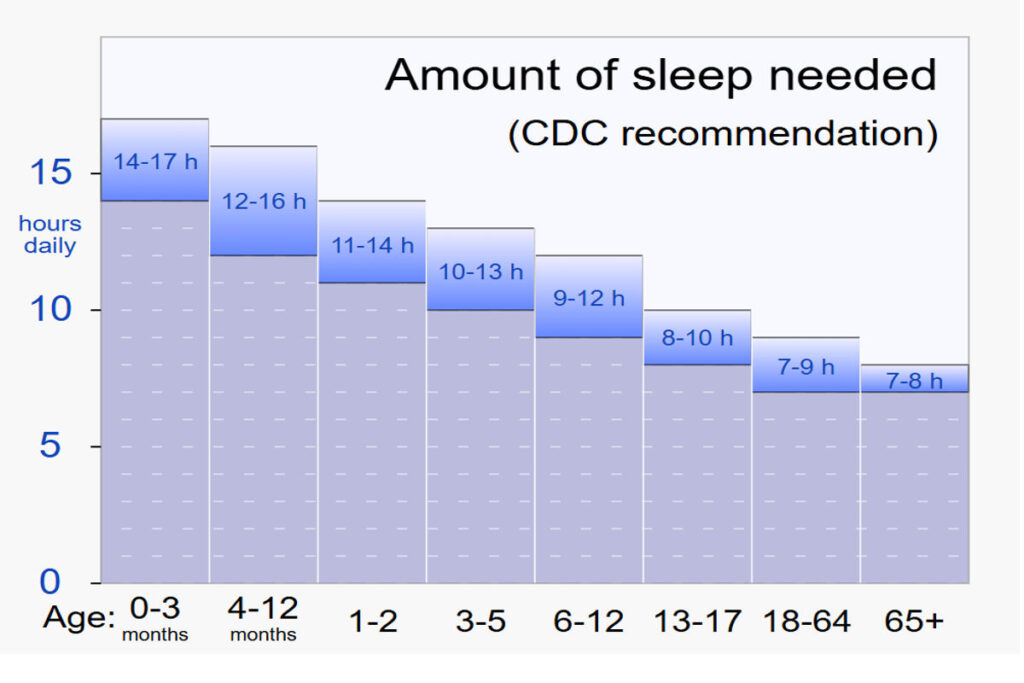
“Sleep hygiene” refers to the everyday behaviours, environmental conditions and routines designed to promote healthy sleep. In other words: regular bedtimes, comfortable temperatures, minimal screen glare, no caffeine late, and so on.
Research confirms that poor sleep hygiene often correlates with reduced sleep quality, daytime sleepiness, depression and anxiety. For example, one cross-sectional study found high correlation (r≈ 0.90) between a consistent sleep schedule and improved sleep quality in young adults.
Yet we must also recognise the nuance: while sleep hygiene is widely recommended, its efficacy as a stand-alone treatment for clinical insomnia or major sleep disorders is limited. A systematic review noted that sleep hygiene education (SHE) by itself lacks sufficient evidence to reliably treat insomnia.
Another piece observes that although each component; caffeine avoidance, lighting control, consistent wake times is plausible, the empirical backing for the full “hygiene package” in public health remains patchy.
From a public‐health perspective, sleep hygiene retains value: it is low‐cost, broadly accessible and promotes general awareness of sleep’s importance. In communities where sleep problems are rising, encouraging good habits is a logical first step. But for more entrenched issues (shift work, chronic insomnia, major stress), hygiene alone may be insufficient and layered interventions are needed.
Setting the Goal: “Sleep Better and Calm the Mind”
When we speak of sleep better and calm the mind, we are pointing to two intertwined outcomes. First: sleep that is deep, consistent and restorative. Second: a mind at rest, less rumination, lower stress, better focus. Achieving both creates the conditions not simply for rest, but for wholeness.
“Calm the mind” here means reducing the mental chatter that often intrudes into the early hours: the “what ifs”, the obligations, the worry loops. It means promoting cognitive clarity and emotional ease. When restful sleep meets mindful calmness, the synergy is powerful: better mood, sharper cognition, resilience against stressors.
In short: our journey is about more than avoiding tossing and turning. It’s about aligning body and mind, so that when you go to bed, your body truly unwinds and your mind follows.
Seven Practices to Sleep Better and Calm the Mind
1. Establish a Consistent Sleep Schedule
Routine is more powerful than many give it credit for. By going to bed and waking at roughly the same time each day, you align your circadian rhythm—your body’s internal clock with the light-dark cycle and hormonal shifts that govern rest and wakefulness. When your timing is steady, you are better positioned to sleep better and truly calm the mind. A regular schedule helps reduce the late-night churn of thoughts, worries and “what ifs” that invade restless minds. Over time, this consistency builds an internal rhythm that cues your brain and body: rest time is near, wake time approaches. In contrast, erratic bedtimes and inconsistent wake-ups keep your system guessing, making restful sleep harder.
2. Create a Sleep-Promoting Environment
Think of your bedroom not just as a place you lie down, but as a sanctuary where your body and mind can unwind. The light, noise, temperature, mattress and pillow all play roles in how well you rest and how calm your mind can become. A cool, dark, quiet room tells your nervous system: it’s safe time to let go. Devices, clutter, bright screens and harsh lighting tell it: stay alert. When you cultivate an environment tuned for rest, you’re more likely to sleep better and your mental chatter finds fewer footholds. In effect, the space itself becomes part of how you calm the mind.
3. Limit Stimulants and Evening Disruptors
What you consume and when you consume it matters deeply for both sleep and mental peace. Caffeine late in the day, alcohol near bedtime, heavy or spicy meals, and extended screen time delay sleep onset and fragment deeper rest. According to guidance from the Harvard Health Publishing, avoiding these stimulants and reducing exposure to blue-light screens in the hour before bed helps move you toward more restorative sleep. In turn, when your body is calmer, your mind follows. When the evening routine supports rest rather than disrupting it, you are far more likely to sleep better and calm the mind.
4. Engage in Regular Physical & Mind-Body Activity
Physical movement is not just good for your muscles; it’s good for how you sleep and how you think. Research shows that regular exercise improves sleep quality, reduces how long it takes to fall asleep, and even supports deeper rest. For example, a recent meta-analysis found that more activity was associated with better sleep quality in young adults.
What’s more, movement reduces stress, lowers cortisol, and helps your mood, so you’re not just nodding off easier, you’re arriving at rest with a calmer mind. Whether it’s yoga, tai chi, resistance training or brisk walking, consistent activity is a key link in the chain to sleep better and calm the mind.
5. Develop a Bedtime Wind-Down Ritual
You wouldn’t slam the brakes on a racing car engine, so why expect your brain to stop on a dime? A wind-down ritual is the gentle deceleration that tells your system: day’s work is over, rest is coming. It might involve light stretching, deep breathing, reading (on paper, not a glowing screen), or a few minutes of mindfulness. Studies of relaxation techniques show positive impacts on sleep quality.By signalling to your mind and body that the transition has begun, you reduce mental clutter and help your mind settle , so you can not only sleep better, but also calm the mind.
6. Use Cognitive Behavioural or Mindful Techniques for the Mind
When your body is ready for rest but your mind is still racing; thinking of tomorrow’s tasks, yesterday’s regrets, the million-what-ifs, then it’s time for mind-focused tools. Cognitive behavioural strategies gently shift unhelpful thoughts, while mindfulness helps you observe rather than engage with them. Research into psychological treatments supports moderate effects for improving sleep quality by tackling mental factors. By intervening in the thought processes, you directly calm the mind, which in turn allows your body to sleep better. The two are inseparable.
7. Monitor and Adjust; Use Data, Feedback and Professional Help
Finally, the most sustainable path to rest and mental calmness is one of refinement. Track your sleep quality, observe how your mind feels in the morning, note patterns in your routine or environment. Digital interventions and behavioural tools have been shown to meaningfully improve sleep outcomes. For instance, a systematic review found moderate to large improvements in sleep quality using digital interventions. If you identify persistent issues such as chronic insomnia, restless legs, a noisy environment, stress disorders ,don’t hesitate to seek professional help. This holistic and data-aware approach supports a deeper level of wholeness: your body rests, your mind quiets, your system heals.
Challenges, Myths and What the Evidence Says

Myth: “If I feel tired I’ll just sleep longer tomorrow”
It’s a common intuition: you feel exhausted today, so you’ll make up for it later. But science tells a different story. Irregular sleep schedules; even when offset by extra sleep later sleep actually undermine sleep quality and disrupt your internal clock. Studies show that when wake-times and bedtimes vary significantly, the circadian rhythm loses its footing, making it harder to sleep deeply and consistently. When you sleep better and calm the mind, it’s not because you catch up later, but because your system is aligned day to day. In other words, extending bed-time tomorrow doesn’t erase the cost of skewed timing today; instead, it often perpetuates the cycle of fragmented rest and restless thoughts.
Myth: “Sleep hygiene alone is enough for insomnia”
At first glance, the rules of sleep hygiene are compelling. Keep the bedroom dark and cool, avoid caffeine late, limit screen time, these are sensible habits. Yet multiple systematic reviews tell a cautionary tale: when sleep hygiene education (SHE) is used alone as a treatment for clinical insomnia, the effects are modest at best. A 2017 review found that though SHE improved sleep somewhat, the average benefit was small and far less than established treatments like cognitive-behavioural therapy for insomnia (CBT-I). Another meta-analysis concluded that sleep hygiene lacks the reliable power to bring full remission in chronic insomnia cases.Thus, while sleep hygiene remains valuable for general sleep health, framing it as a standalone cure for serious sleep disorders can be misleading. For true mental calm and restorative sleep, a richer approach is often required.
Addressing Challenges
Of course, the path to rest and mental calm is rarely straightforward in real life. For many people adverse conditions make simple fixes harder. Consider shift-workers who stray from natural sleep-wake rhythms or caregivers who face overnight interruptions. Environmental constraints; thin walls, urban noise, shared rooms—limit control over the sleep space. Behavioural issues like persistent anxiety, rumination or fear of sleep (sleep anxiety) also complicate things. Public-health systems recognise that promoting better sleep isn’t merely a personal responsibility, it is a community challenge. Research in workplace settings, for example, shows that when organisations adopt sleep-friendly policies (shift-design, noise control, wellness education), sleep quality improves and stress drops. All of this emphasises that to truly sleep better and calm the mind, we need to look beyond simple tips and recognise the broader system: policies, environments, work schedules and mental-health support.
Future Outlook: Integrating Sleep, Mind and Whole-Person Wellbeing
Looking ahead, the way we sleep better and calm the mind is evolving. Advanced technology, deeper research into mind–body integration, and a shift in public-health thinking are setting the stage for a new era of holistic rest. As our understanding of sleep expands, so too does our opportunity for better mental and physical health.
The Rise of Digital and Personalised Sleep Solutions
The digital age is reshaping how we approach rest and mental calmness. A large meta-analysis of digital sleep interventions found substantial improvements in sleep quality (Hedges g≈ -1.25) and insomnia severity (Hedges g≈ -4.08) among young adults using mobile or web-based tools.What this shows is technology’s promise: you can now access tailored sleep-and-mind programmes anytime, anywhere.
Equally important is the move toward personalised sleep medicine. Rather than one-size-fits-all advice, future models combine wearable data, sleep phase analytics, mental-health markers and customised routines. This integration means we can more precisely target what keeps someone from restful sleep—and from calming their mind.
Emerging Evidence for Mind-Body and Combined Approaches
Sleep interventions no longer focus solely on hours in bed; they engage body, mind and environment together. A systematic review of mind-body and movement exercises (yoga, tai chi, mindful stretching) reported consistent improvements in subjective sleep quality.This speaks directly to our goal of rest plus mental calmness: when you sleep better, a calmer mind often follows and when your mind is calmer, you sleep better.
Moreover, combined strategies; digital tools plus behavioural change plus physical practice are emerging as especially potent. In policy terms, the future is not just about “go to bed early” but about designing ecosystems where rest, mental well-being and daily rhythm work together.
Implications for Policy, Workplaces and Individuals
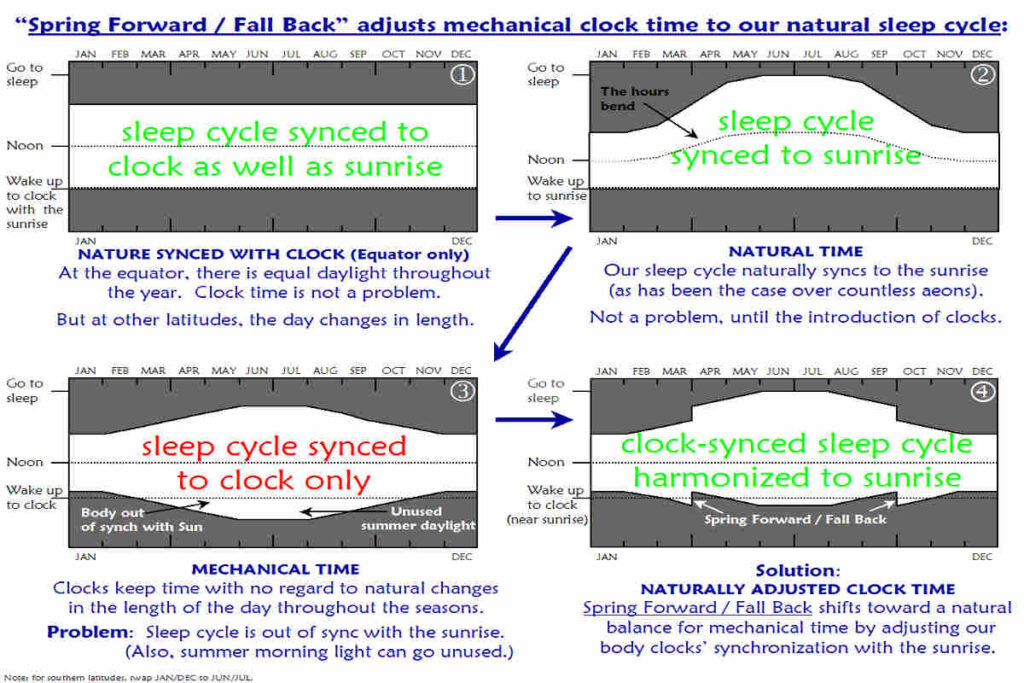
The shift toward holistic sleep and mind-health has broad implications. Workplaces and universities, for example, can embed sleep-friendly policies: flexible schedules, nap-spaces, digital-detox training and mindfulness programmes. With growing evidence, such efforts can form part of a public-health push toward well-rounded well-being.
From the individual’s perspective, aiming to sleep better and calm the mind becomes both a personal journey and a community one. Recognise that your sleep habits ripple out: family, colleagues, society all benefit when rest and mental calm meet. When enough people adopt mindful wholeness, the broader culture of rest improves.
FAQ: 7 Practices That Help You Sleep Better and Calm the Mind: A Mindful Wholeness Insight
What does “sleep better and calm the mind” actually mean?
It means achieving restorative sleep while reducing mental overactivity ; less rumination, stress, and emotional clutter. It’s about aligning physical rest with mental stillness, so body and mind rejuvenate together.
Why is sleep quality so important for mental health?
Studies show improving sleep quality leads to significant reductions in depression, anxiety, and stress. A 2021 meta-analysis found a medium effect (g⁺ ≈ -0.53) between better sleep and improved mental health
Can I catch up on sleep by sleeping longer the next day?
Not effectively. Irregular schedules disrupt circadian rhythms, harming sleep quality. Consistency matters more than duration; maintaining regular sleep-wake times helps you sleep better and stay mentally balanced.
What is “sleep hygiene”?
Sleep hygiene refers to healthy bedtime habits and environments ; consistent bedtimes, limited caffeine, comfortable lighting, and a quiet, dark room. These behaviours support better sleep but aren’t a standalone cure for insomnia.
Does sleep hygiene cure insomnia?
Not by itself. Reviews published in Oxford University Press journals show sleep hygiene education alone has limited efficacy for clinical insomnia. Cognitive-behavioural and mindfulness techniques work better for chronic issues.
How does a consistent sleep schedule help calm the mind?
A stable routine anchors your body clock. Your brain learns when to release melatonin, reducing stress hormones and evening restlessness, which in turn calms your mind and stabilises mood.
What’s the ideal sleep environment for better rest?
Cool (18–22 °C), dark, quiet, and clutter-free rooms promote relaxation. Removing screens and harsh light signals the body to produce melatonin, creating a sanctuary-like setting for mental calmness.
How do caffeine and alcohol affect sleep?
Both disrupt deep sleep stages. Caffeine delays melatonin release, and alcohol fragments REM sleep, leading to poor rest and higher next-day anxiety. Avoiding them after mid-afternoon helps you sleep better.
Do digital devices really interfere with sleep?
Yes. Blue light from screens suppresses melatonin and keeps your brain alert. Reducing screen exposure 1–2 hours before bedtime supports both better sleep and a quieter mind.
What kind of exercise helps improve sleep?
Regular movement; brisk walking, yoga, or resistance training ,improves sleep quality and duration. Mind-body exercises like tai chi and yoga also reduce stress, helping you calm the mind before rest .
Why does mindfulness help with sleep?
Mindfulness slows racing thoughts and reduces stress hormones like cortisol. By observing rather than reacting to thoughts, you prepare both brain and body for rest, creating a natural bridge to sleep.
What are some simple wind-down rituals before bed?
Gentle stretching, reading, journaling, or guided breathing for 10–20 minutes signal to the body that it’s time to rest. Consistent rituals help transition from a busy day to a calm night.
Are digital sleep-tracking apps effective?
Yes, when used mindfully. Research in the Journal of Medical Internet Research (JMIR) shows digital sleep interventions significantly improve sleep duration and quality among adults and students.
Can mental-health therapy improve sleep?
Absolutely. Cognitive-behavioural therapy for insomnia (CBT-I) and mindfulness-based cognitive therapy reduce intrusive thoughts and emotional hyper-arousal both key barriers to good sleep.
How can shift-workers or caregivers improve their sleep?
They can use blackout curtains, scheduled naps, and consistent rest times, even on off days. Employers can help by designing shift rotations that align with biological sleep needs.
Why is irregular sleep a public-health issue?
Chronic sleep deprivation increases risks of depression, obesity, and heart disease. Poor rest affects productivity and safety, prompting governments and employers to promote sleep health programmes .
What are digital sleep interventions?
They’re online or app-based tools offering personalised routines, relaxation exercises, and data tracking. Studies show such tools can reduce insomnia symptoms and improve mental wellbeing among young adults .
Is there a connection between physical health and mental calmness during sleep?
Yes. Deep, restorative sleep reduces inflammation, balances hormones, and improves cognitive performance. The calmer your mind, the more efficiently your body repairs itself overnight.
Can improving sleep quality make me more productive?
Definitely. Better sleep enhances focus, creativity, and emotional regulation. People who sleep well report higher daily productivity and lower burnout, according to data from the American Academy of Sleep Medicine.
What’s one practical first step to sleep better and calm the mind tonight?
Pick one practice, perhaps setting a consistent bedtime or turning off devices 60 minutes before sleep and stick to it for a week. Track how your body and mind respond; improvement often begins with one consistent change.
Reclaim Your Rest, Rebalance Your Mind
Sleep is not a luxury; it is your body’s most powerful form of self-repair. In a culture that glorifies busyness, choosing to sleep better and calm the mind becomes an act of self-leadership and quiet resistance. Every night offers a chance to start again to realign your body’s rhythm, clear mental clutter, and nurture the calm that modern life too easily steals.
Start small. Turn off your devices an hour earlier. Dim the lights. Breathe deeply before bed. Track your rest for a week and notice how your mornings change. Each choice, repeated consistently, strengthens the feedback loop between rest and resilience.
If you’re an employer or educator, take it further. Promote sleep wellness in your workplace or institution. Create environments where recovery is not seen as weakness but as wisdom.
Because when we learn to sleep better, we learn to live better and when we calm the mind, we create space for clarity, empathy, and purpose. The revolution begins not with noise, but with rest.
Authored by- Sneha Reji
