

When Everything Hits at Once
You’re staring at a screen, heart racing, thoughts tangled. A deadline looms, or someone’s waiting on a reply. Maybe it’s a test, a fight, or just a hundred little things crashing into you at once. You feel frozen but you also know you still have to perform. This is overwhelm.
Overwhelm isn’t always dramatic. Sometimes it looks like silence. Sometimes it looks like scrolling through your phone while the pressure builds in your chest. It’s when your brain tries to juggle too many emotions, expectations, decisions and suddenly drops everything.
This article isn’t here to tell you to “calm down” or “push through.” Instead, it offers a moment-by-moment guide to finding your footing when everything feels like too much. You’ll learn how to pause, reset your body, shift your mindset, and take one clear step – even when your insides are storming.
Overwhelm Isn’t Weakness – It’s Overload
Overwhelmed doesn’t mean you’re weak. It means you’re carrying too much at once. Thoughts, emotions, deadlines, and expectations start piling up, often faster than your brain can process them. This isn’t a flaw in you, rather a signal from your system that it’s maxed out.
You might feel this during exam season, after a fight with someone you care about, or when three things go wrong in one day. The stress builds quietly until suddenly, everything feels too much. Your brain isn’t failing but it’s just saying, “Pause me, not push me.”
When overwhelmed, it’s easy to believe something’s wrong with you. But the truth is, your mind is reacting the way any mind would under pressure. Overload is common, especially in fast-paced, high-expectation environments.
Think of it like a computer with too many tabs open. It lags, freezes, or crashes – not because it’s broken, but because it wasn’t built to process everything at once. When overwhelmed, your first job isn’t to fix everything, it’s to close a few mental tabs and reset the system.
Reframing overwhelm this way turns it from something shameful into something manageable. It’s not a personal failure. It’s just a human response to having too much all at once.
You Can’t Think When Your Body Is in Panic Mode
When overwhelmed, your body isn’t just “stressed”, it’s in survival mode. Your heart races, your breath shortens, and your muscles tighten. These aren’t random symptoms; they’re signs your nervous system has flipped into fight-or-flight mode. In this state, your brain’s priority isn’t thinking, it’s surviving.
You might notice your thoughts spiral or you freeze entirely. That’s not you being dramatic; that’s your prefrontal cortex (the rational part of your brain) getting overridden by the emotional brain. You literally can’t access calm thinking while your body believes there’s a threat.
This is why forcing yourself to “just focus” or “calm down” rarely works when overwhelmed. Until your body gets the signal that you’re safe, your brain won’t fully come back online. It’s not about weakness, it’s about biology.
To regain control, you need to calm your nervous system first. Think of it like restarting a jammed computer. You wouldn’t expect it to run programs while it’s frozen, you’d reset it.
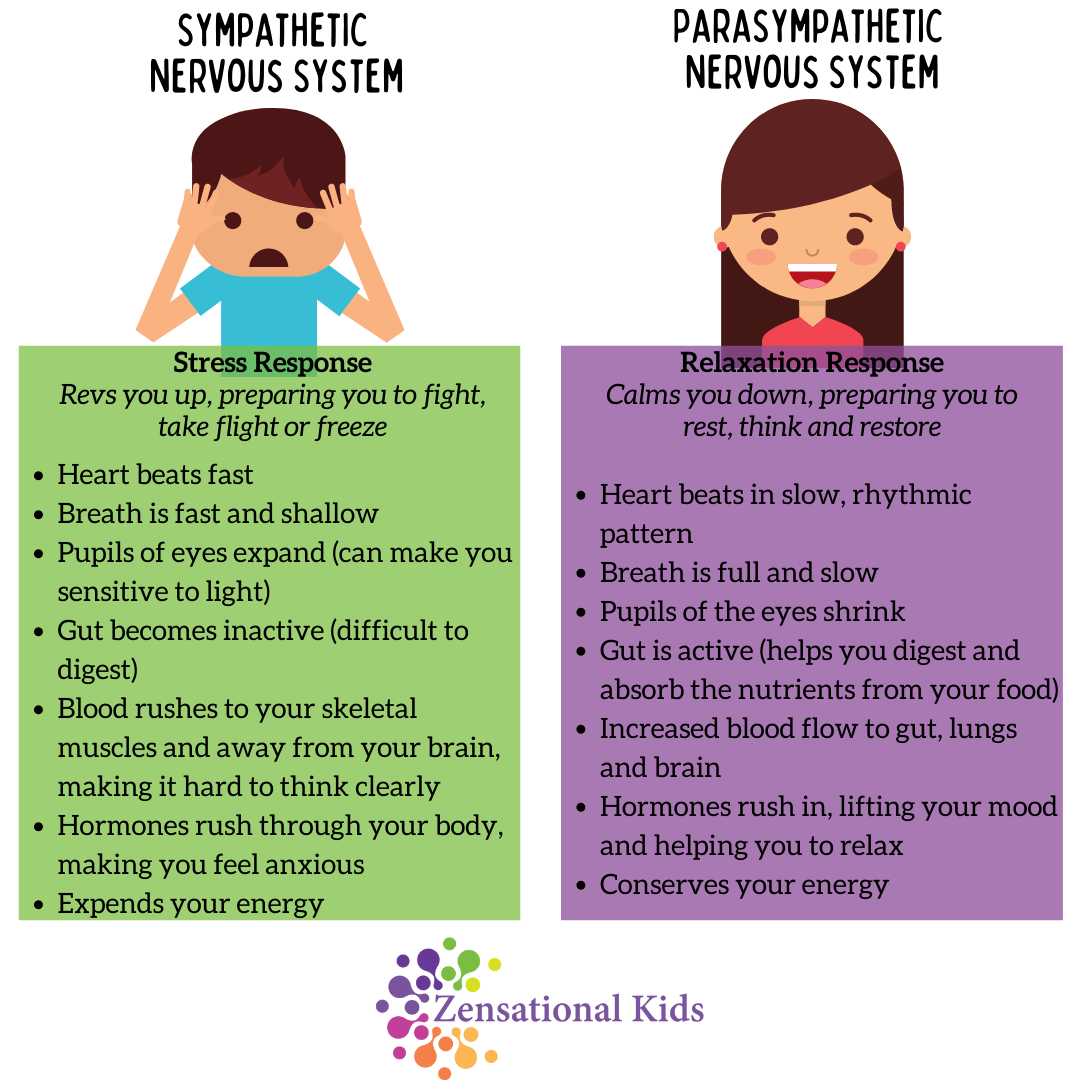
Same with your mind: breathe, ground, and then think. That’s how you reclaim clarity, one breath at a time.
Step One: Pause Before You React
The first step isn’t about fixing anything. It’s about stopping the spiral. When you feel the surge of stress, resist the urge to act immediately. Don’t send the angry text, slam the book shut, or storm out of the room. Let yourself hit pause, even just for a few seconds.
Say it to yourself: “I’m overwhelmed, not broken.” That one phrase can slow the flood. It reminds you that this is a moment, not a meltdown. Your brain is sounding an alarm, not shutting down. Listening instead of reacting gives you power.
Try giving yourself a 15-second buffer. It might not seem like much, but it’s enough to change the direction of your next move. Think of it as a mental breath, a way to step outside the chaos before you step back in. And whisper again if needed: “I’m overwhelmed, not broken.”
Step Two: Use the Exhale to Start Resetting
When overwhelmed, your breath often becomes shallow and rapid, feeding the panic rather than calming it. The nervous system shifts into survival mode, making it hard to think clearly or feel grounded. That’s where your breath becomes a powerful tool. Specifically, your exhale can signal safety to your brain.
A simple technique: breathe in for 4 seconds, and breathe out slowly for 6 to 8 seconds. Do this for just three rounds. The longer exhale activates the parasympathetic nervous system – the part that helps you relax. You’ll likely feel a subtle shift in your chest, shoulders, or even your mind.
When overwhelmed, doing this gives you a pause button. It’s a way to interrupt the mental spiral before it speeds up. Breathwork doesn’t erase the problem but it helps you become steadier in facing it. That shift is the difference between reacting and responding.
Even elite performers use this trick. Athletes, speakers, and even military personnel practice breath control under pressure. Why? Because your body listens to your breath. When you slow it down, your entire system follows. The calm may not be instant, but it builds with practice.
Step Three: Ground Yourself Physically
When your thoughts are racing and your emotions are on edge, the quickest way to interrupt the chaos is through your body. Grounding means connecting with something real, something stable right now. It tells your nervous system, “You’re safe in this moment.”
Start simple. Press your feet firmly into the floor. Feel the weight shift into your heels or toes. Or hold a small object, a pen, a stone, your sleeve and focus just on its texture and temperature. These are your anchors to the present.
Notice the contact points: where your back touches the chair, where your hands rest. This quiet awareness gently pulls your attention out of your head and into your body. It’s like reminding yourself, “I’m here, and I’m okay.”
Even when it feels like everything’s falling apart, grounding gives you one steady place to start again. It won’t solve the whole situation, but it gives your brain the chance to reset even when it feels like everything’s falling apart.
Step Four: Shrink the Task in Front of You
When you’re overwhelmed, even the smallest task can feel like climbing a mountain. Your brain sees the entire workload as one giant threat, making it hard to even start. That’s why the key is to break it down into something laughably small. Don’t aim to finish the chapter. Just open the book.
Start by asking, “What’s the next tiny step I can take?” Maybe it’s writing the title of your essay. Or just putting on your shoes to go outside. Shrinking the task makes it doable, which quiets the panic response and gives you a quick win.
Micro-steps also trigger a small dopamine release in your brain. This reward helps rebuild motivation, especially when you’re overwhelmed and discouraged. One small step leads to another, and suddenly, momentum returns.
This technique works in any situation—homework, cleaning, even tough conversations. When you feel paralyzed, success shouldn’t be measured in hours of work. It should be measured in one action that helps you move forward, even just a little.
By resetting the scale of success to the next five minutes, you take back control. You don’t need to feel ready for everything, just ready for the next thing.
Step Five: Say One Calming Line to Yourself
When overwhelmed, your inner voice can quickly turn harsh. It might say things like “You’re failing” or “You can’t handle this.” That voice is scared, not helpful and it needs direction. This is when a calming line becomes your lifeline.
Try something simple like, “I can handle this, one step at a time” or “Breathe first, act after.” These phrases remind your brain that you’re not in danger. You’re just in a moment that needs care and clarity.
Think of this line as a coach in your head, not a critic. When overwhelmed, what you say to yourself matters just as much as what you do. Kind words calm the nervous system and help restore perspective.
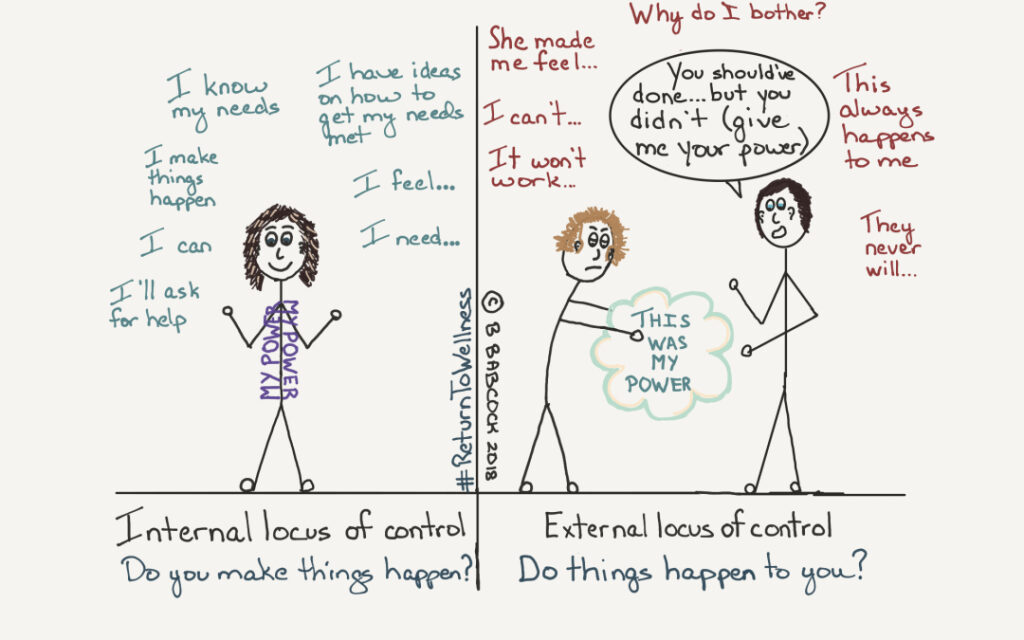
You can even write your calming line down and keep it where you see it – on your phone, notebook, or wall. One sentence, repeated with intention, can pull you back into balance.
This Method Has Saved Me More Than Once
I still remember a test day when everything felt like it was closing in. I had barely slept, my mind was racing, and I couldn’t even remember the first topic on the syllabus. I froze, convinced I’d forget everything the moment I sat down. That morning, I used the pause–breathe–ground routine.
I didn’t magically feel amazing, but something shifted. Just taking 30 seconds to breathe and press my feet into the ground gave me enough control to open my notes again. I kept whispering, “One step at a time,” while flipping through pages. It wasn’t about fixing everything. It was about finding one clear step forward when overwhelmed.
Another time, I had a messy fight with a family member right before a group presentation. My head was spinning with emotion, and I could barely hear what anyone in my group was saying. I slipped away for a minute, placed my hand on a cold railing, and just exhaled slowly. That moment of grounding helped me walk back in and do my part.
These steps don’t make life perfect but they make performance possible, even when overwhelmed. They turn breakdown moments into bounce-back moments. And that’s what real resilience looks like.
High Performers Use These Micro-Resets Constantly
You don’t have to be a world-class athlete or performer to use mental resets, they just happen to do it all the time. From tennis players bouncing a ball before serving, to speakers pausing backstage with slow breaths, these small rituals are practiced for a reason. They’re not cute habits, they’re tools for staying steady under pressure.
When overwhelmed, elite performers don’t rely on willpower alone. They fall back on trained responses: deep breathing, grounding gestures, or visual cues. A basketball player might wipe their hands on their shorts, not just for grip but for focus. These resets help them switch from chaos to clarity in moments.
The truth is, no one stays calm “naturally.” Behind every cool-headed leader, surgeon, or student topping the class, there’s usually a routine they turn to under stress. Their edge isn’t superhuman confidence, it’s preparation and practice. And that’s something anyone can learn.
Even when overwhelmed, you can build your own version of these resets. A calming phrase, a breath pattern, a grounding movement it doesn’t have to be fancy. What matters is that it’s yours, and that you use it, again and again, until calm becomes a trained response—not a lucky one.
Pressure Doesn’t End But You Can Train Your Response
The truth is, pressure doesn’t magically go away. Whether it’s exams, deadlines, or family tension, life keeps throwing things at us. What can change is how quickly you come back to center when overwhelmed. Recovery becomes the real measure of strength.
High performers aren’t calm because life is easy, they’ve trained their minds like muscles. They don’t wait to feel perfect before acting. Instead, they trust their routines to pull them back into focus when overwhelmed. You can do the same, starting small.
Just like you build stamina through physical reps, you build emotional resilience through micro-resets. Every pause, breath, and grounded moment is a rep. It’s okay if it doesn’t work perfectly the first time, keep practicing.
Being mentally strong isn’t about pretending to be fine. It’s about learning how to reset, recharge, and respond with clarity. That’s the real flex, performing even when things feel messy inside.
You’re Not Broken – You’re Overloaded
Overwhelm is not a personal flaw. It’s a human response to too much at once. It happens to high performers, everyday students, parents, and professionals alike. What matters isn’t whether you feel overwhelmed; it’s how you respond when you do.
The tools in this article : pause, breathe, ground yourself, shrink the task, speak kindly aren’t magic fixes. But they give your mind and body a fighting chance to reset. They help you stay present even when everything feels like too much.
You don’t have to wait until things feel calm to take action. You can act while overwhelmed, if you learn to support yourself through it. That’s real strength. That’s real resilience.
So next time pressure hits, don’t push it down or pretend it’s not there. Try one small step. Even 30 seconds can change everything. You don’t have to feel okay to keep going. You just need tools and now you have them.
FAQs on What to Do When You’re Overwhelmed (But Still Have to Perform)
What does it mean to feel overwhelmed?
Feeling overwhelmed means your mental, emotional, or physical load has exceeded your capacity in that moment. Your brain is trying to protect you by hitting pause.
Is being overwhelmed the same as being weak?
No. Overwhelm is a natural biological response to stress. It signals overload, not failure.
Why can’t I think clearly when I’m overwhelmed?
Because your nervous system shifts into survival mode, blood flow moves away from your brain’s decision-making centers and into fight-or-flight responses.
Can high performers feel overwhelmed too?
Absolutely. In fact, elite athletes, leaders, and artists often use mental resets to manage pressure.
What’s the difference between stress and overwhelm?
Stress can still feel manageable. Overwhelm is when you feel like you can’t cope or take action.
What’s the first thing I should do when I feel overwhelmed?
Pause. Acknowledge the feeling. Take 15 seconds to simply breathe and avoid reacting impulsively.
How does breathing help in stressful moments?
Slow, controlled breathing, especially longer exhales, activates the body’s calming (parasympathetic) system.
What is grounding and how do I do it?
Grounding means physically anchoring yourself in the present by pressing your feet down, holding a cool object, or noticing your surroundings.
How can I break big tasks into smaller ones when I’m overwhelmed?
Start by redefining your goal: Instead of “write the paper,” try “open the document.” Then move in 5–10 minute blocks.
Does self-talk really work?
Yes, if it’s calm, kind, and intentional. Statements like “I can handle this” or “Breathe first, act after” guide your nervous system back to safety.
Is it okay to cry or shut down for a bit?
Yes. Emotional release is natural. What matters is returning to supportive strategies once the emotion passes.
What if I keep feeling overwhelmed every day?
Persistent overwhelm may signal chronic stress, burnout, or anxiety. Seeking support from a therapist or counselor can help.
Why do small things feel huge when I’m overwhelmed?
When you’re overloaded, even minor tasks can feel impossible because your brain is trying to protect you from more input.
Can mindfulness help me stay calm under pressure?
Yes. Practices like mindful breathing, body scans, and presence exercises build emotional resilience over time.
I can’t meditate, what else can I do?
Meditation isn’t the only tool. Try grounding, movement (like walking), music, or breathwork. Choose what works for you.
How can I build emotional strength over time?
Treat emotional resilience like a muscle—train it with daily practices like journaling, reflection, and mini-resets.
Can I train myself to stay calm under pressure?
Yes. With consistent practice like athletes or performers, you can shorten recovery time and stay steady more often.
What if people around me don’t understand my stress?
You can still take care of yourself. Communicate what you need, and remember: You don’t need everyone’s approval to protect your peace.
Does staying busy help or hurt overwhelm?
It depends. Distraction can help temporarily, but unaddressed stress will build up. Make time to reset, not just suppress.
What’s one thing I can do right now to feel less overwhelmed?
Exhale slowly. Three rounds of 4–8 breathing (inhale 4, exhale 8) can reset your nervous system in under a minute.
~Authored by Aishwarya Galagali