

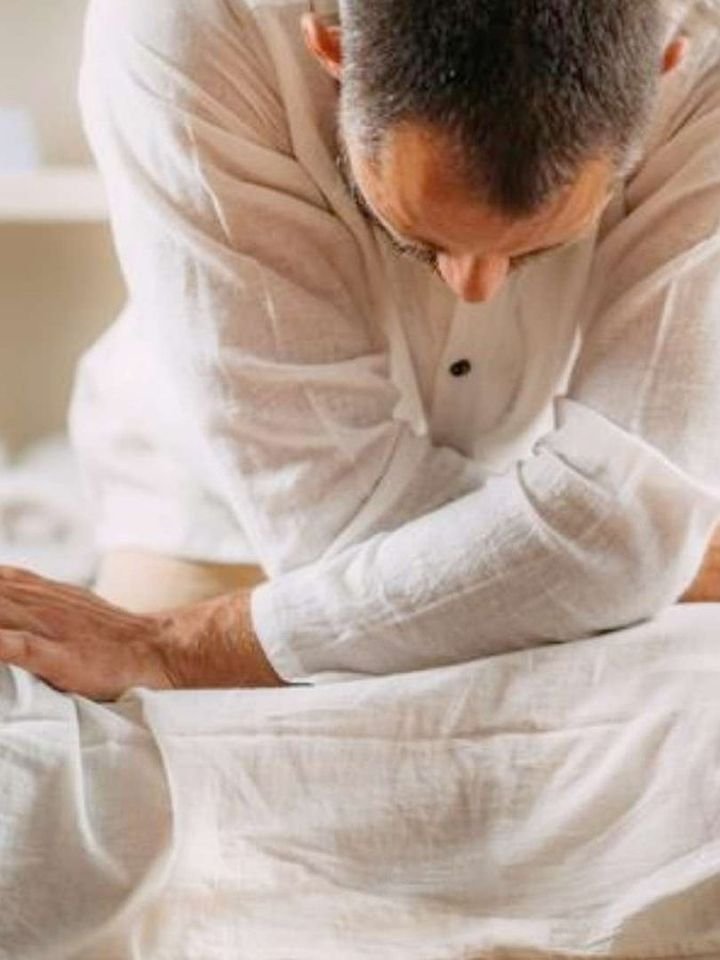
What to wear
Loose, comfortable clothes. You stay fully clothed throughout.
Where
At your home in Mumbai, in any quiet room.
Fees
Shared on enquiry, along with availability.
What Shiatsu is
Shiatsu means “finger pressure” in Japanese. It developed in Japan from the principles of traditional Chinese medicine, and works with rhythmic pressure along the meridians, the pathways through which the body’s energy is understood to flow.
Unlike a conventional massage, it does not simply knead muscle. Pressure from the thumbs, palms and elbows follows the body’s own rhythm and breath, and the practitioner listens before pressing. The effect is deep rest: the nervous system shifts out of alert and into repair.
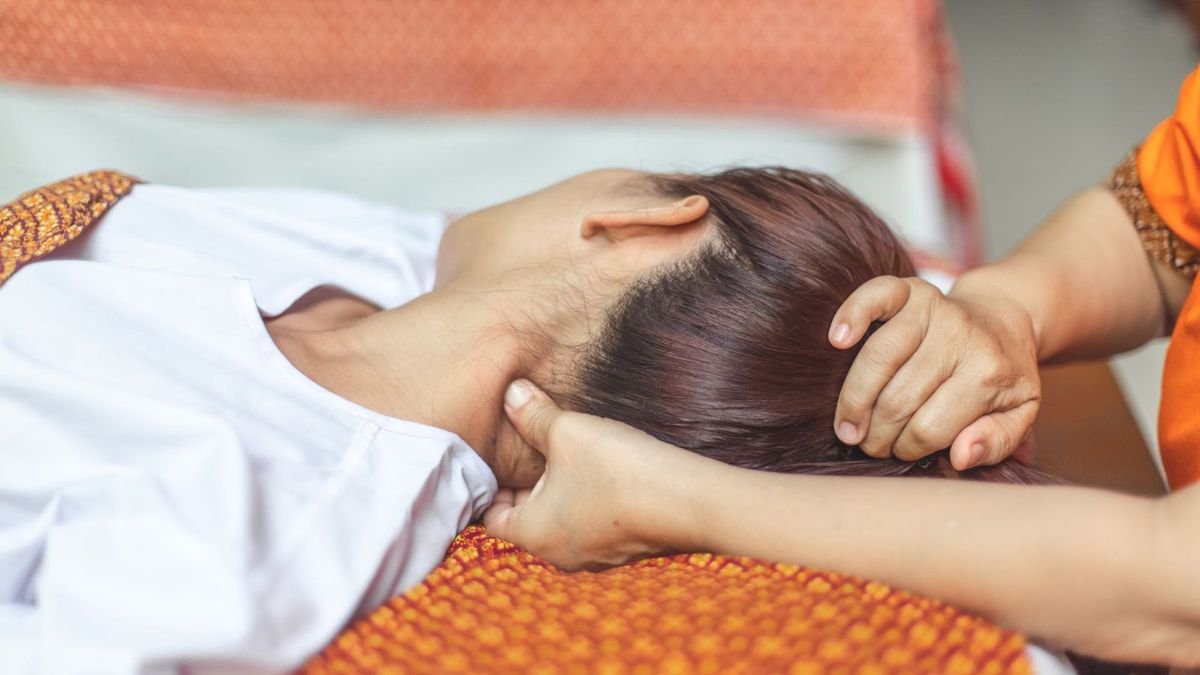
A session, from start to finish
- A short conversation about how you are sleeping, working and feeling.
- Assessment by touch, including hara reading of the abdomen, to find where tension is held.
- Rhythmic pressure along the meridians, with attention to breath and posture.
- A few quiet minutes to settle, and simple suggestions to carry the effect forward.
Often chosen for
- Stress that has settled into the body
- Restless or shallow sleep
- Back, neck and shoulder tension
- Recovery after training, travel or physical strain
- Burnout and exhaustion
Shiatsu complements medical care and does not replace it. Please mention any medical condition or pregnancy when you enquire.
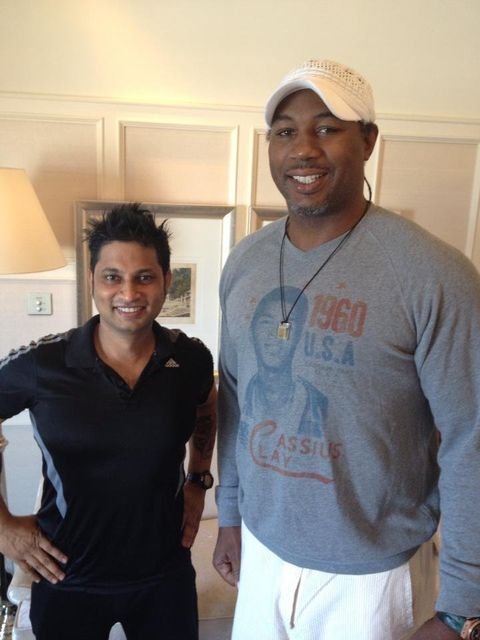
“He’s the master. I’ve never felt anything like that.”
Lennox Lewis
Three-time World Heavyweight Boxing Champion
Shiatsu questions
Is Shiatsu painful?
It should not be. You will feel firm pressure in places, and the intensity is adjusted to your comfort throughout.
How is it different from massage?
Massage works mainly on muscle with oil on bare skin. Shiatsu is given through clothing and follows the meridians, working on the whole system rather than one area.
How often should I come?
Once a month suits general well-being. For a specific concern, sessions are usually closer together at first; Sunil will suggest a rhythm after the first session.