
A private Shiatsu session at home in Mumbai lasts about an hour. It takes place on a mat, a mattress or your own bed. You stay fully clothed, no oils are used, and the treatment follows a detailed conversation about your health and what you want from it.
Sunil has given Shiatsu privately for thirty years, to clients in Mumbai and around the world. This guide explains what happens in a home session, how to prepare, what it feels like and who it suits. It also sets out when to speak to a doctor before booking.
What happens in a private Shiatsu session?
It starts with a consultation
The first meeting is a conversation, not a treatment. Sunil asks about your health, any conditions you live with, your sleep, your work and what you hope will change. If you have recent medical reports, he reads them so he understands your situation fully.
From that conversation he works out your goals, and the gaps between where you are and where you want to be. He then designs the session, and usually a series of sessions, around them. Before starting, he talks the plan through with you so you can see how it fits what you asked for.
Then the hands take over
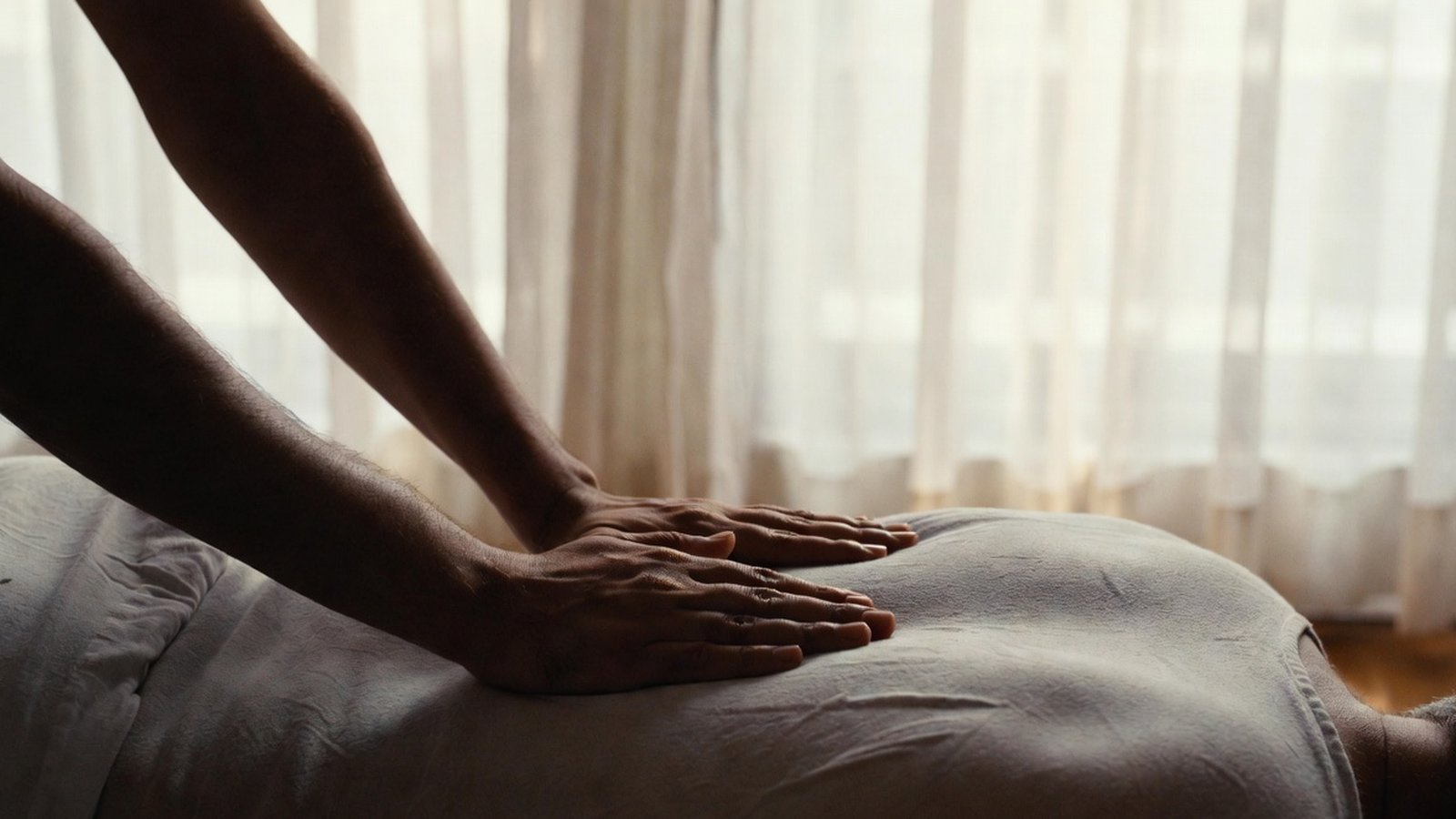
You lie on the mat or bed, clothed and comfortable. Sunil works with slow, steady pressure from his thumbs and palms, along with gentle stretches and rotations of the limbs.
Shiatsu practitioners read the body through touch as much as they treat it. The abdomen, which Shiatsu calls the hara, is read with particular care, because in the tradition it reflects the state of the whole system.
It ends with rest
The last minutes are quiet. Most people need a moment before they sit up, and the session is paced to leave room for that.
The first two sessions are also an assessment
Sunil gives you his assessment after the first session and a more detailed one after the second. Working on someone twice tells him far more than any questionnaire can: where tension sits, how the meridians respond, and how the body is coping overall.
“It takes around two sessions to fully understand a body. After the first I give my assessment; after the second, a much more detailed one. From then on, we map every change.”
Sunil
From then on, progress is recorded session by session in a progress sheet. You and Sunil can both see what is changing against the goals you set at the start.
How to prepare your room for home Shiatsu
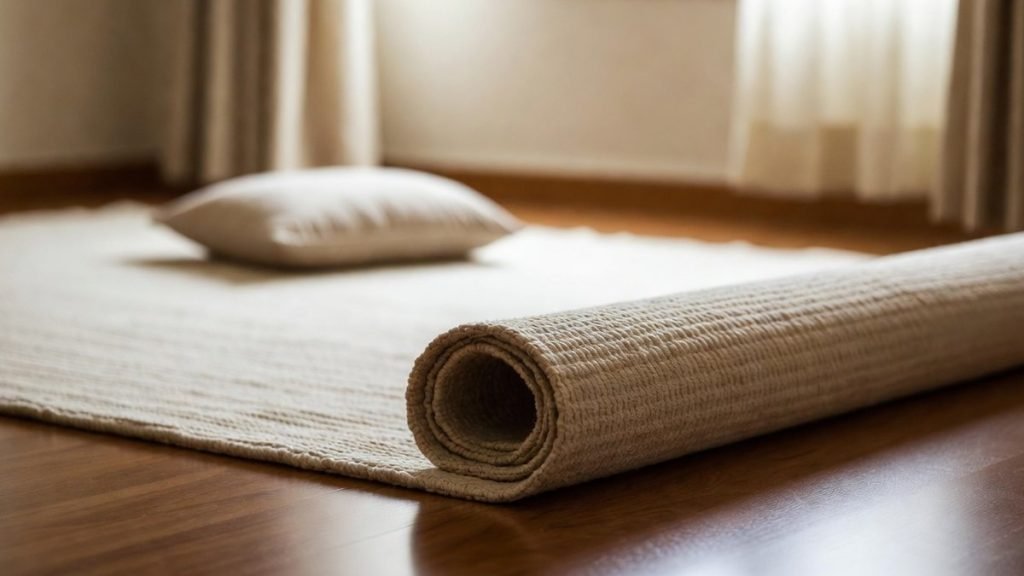
Shiatsu needs less space than people expect. A yoga mat, a thin mattress on the floor or your own bed all work, and Sunil will tell you which suits you best.
What matters most is a little clear floor around the mat, so he can move freely on every side of you. A bedroom or a quiet corner of the living room is usually enough.
Choose a room where you won’t be interrupted for the hour. Silence your phone, let the household know, and keep the room at a comfortable temperature, since you will be lying still for much of the session.
What should you wear for Shiatsu?
Wear something loose and soft that lets you stretch without restriction, such as a cotton T-shirt with track pants or pyjamas. Shiatsu is given through clothing and without oils, so nothing needs changing or washing afterwards.
Take off watches, rings and necklaces before you start. Most people are more comfortable if they haven’t eaten a heavy meal in the hour or two before.
Does Shiatsu hurt?
Shiatsu should not hurt. The pressure can be firm, but it is applied gradually and adjusted to you. It is often felt as a deep, steady ache that eases as the muscle lets go.
Some points will feel tender, especially where you carry the most strain. Say so whenever pressure feels like too much. A good practitioner adjusts at once, and your reaction tells him something useful about that area.
Afterwards, most people feel relaxed and heavy, and some feel sleepy for the rest of the day. In a European study that followed 633 Shiatsu clients over six months, most of the unwanted reactions clients reported were passing effects rather than harm, and very few were judged a possible safety concern (Long et al., 2009). The researchers describe these passing responses as including extra tiredness or feeling emotional. Plan a quiet evening after your first session if you can.
Shiatsu or massage: what’s the difference?
Massage mostly uses gliding strokes, usually with oil, to work on muscle. Shiatsu uses held pressure and stretches along the meridians, through clothing, and aims to settle the whole person rather than only the muscles. For the history and theory behind it, read Shiatsu: Healing Through Pressure, Grounded in Tradition.
Who books Shiatsu at home?
Most of Sunil’s home clients have one thing in common: their time is rarely their own. They book at home because it removes the travel, the waiting room and the chance of being recognised.
People short on time
An hour at home fits between meetings or at the end of a long day. There is nothing to drive to, and no traffic to undo the benefit on the way back.
After a long flight or a match
Sessions after travel or competition are shaped by where the client has come from and what it has taken out of them. Sunil looks at the physical strain, such as stiff hips after a long-haul flight or overworked muscles after a match, and at the mental load that comes with it. The whole session is then built around restoration, so body and mind can settle fully before the next demand arrives.
One caution applies here, covered in the doctor section below. Long journeys raise the risk of blood clots, so pain or swelling in one leg after a flight needs a doctor, not bodywork.
People who value privacy
For many clients, discretion matters as much as the treatment. A home visit means no reception desk, no shared waiting area and no one else in the room.
What Shiatsu can and cannot promise
Shiatsu complements medical care; it does not replace it. A systematic review found that the research on Shiatsu itself is still poor, although acupressure, a closely related practice, may help with pain, nausea and vomiting, and sleep (Robinson et al., 2011). Most people come to Shiatsu for relaxation, recovery and a better sense of their own body, and that is the honest basis on which to book it.
How often should you book Shiatsu?
There is no single right frequency. After the first consultation, Sunil suggests a series based on your goals, and the progress sheet shows whether the pace is working.
Some clients book a defined series to work on a specific pattern, such as poor sleep during a demanding period. Others book around their calendar, before a big event or after travel, and keep regular sessions in between.
When should you check with a doctor first?
Shiatsu is gentle, but some situations call for a doctor’s view before any bodywork. The US National Center for Complementary and Integrative Health says the risk from massage appears low, but rare serious problems have been reported, including blood clots, nerve injury and fractures, often with vigorous techniques or more vulnerable people (NCCIH). Speak to your doctor first if any of these apply:
- You are pregnant, or have given birth in the last six weeks.
- You have recently had surgery, a fracture or a significant injury.
- You have had a blood clot before, have a bleeding disorder, or take blood-thinning medicine.
- You have pain, swelling or warmth in one calf, chest pain or breathlessness, especially after a long journey. In this case, seek medical care urgently.
- You have a fever or feel unwell. Reschedule until you have recovered.
The NHS lists recent surgery, journeys of more than four hours, and pregnancy or the six weeks after giving birth among the situations that make a deep vein thrombosis more likely (NHS). NCCIH also advises against using massage to put off seeing a doctor about a medical problem. If you are unsure, mention it when you enquire; Sunil will ask about it in the consultation in any case.
Frequently asked questions
How long is a Shiatsu session?
About 60 minutes, and longer sessions are available. The first visit also includes the consultation.
Do I need a massage table?
No. Shiatsu is traditionally given at floor level on a mat or mattress, and it can also be given on your bed.
Is Shiatsu done over clothes?
Yes. You stay fully clothed in something loose and comfortable, and no oils are used.
Can I have Shiatsu while pregnant?
Check with your doctor first, and tell Sunil when you enquire so the session can be planned around it.
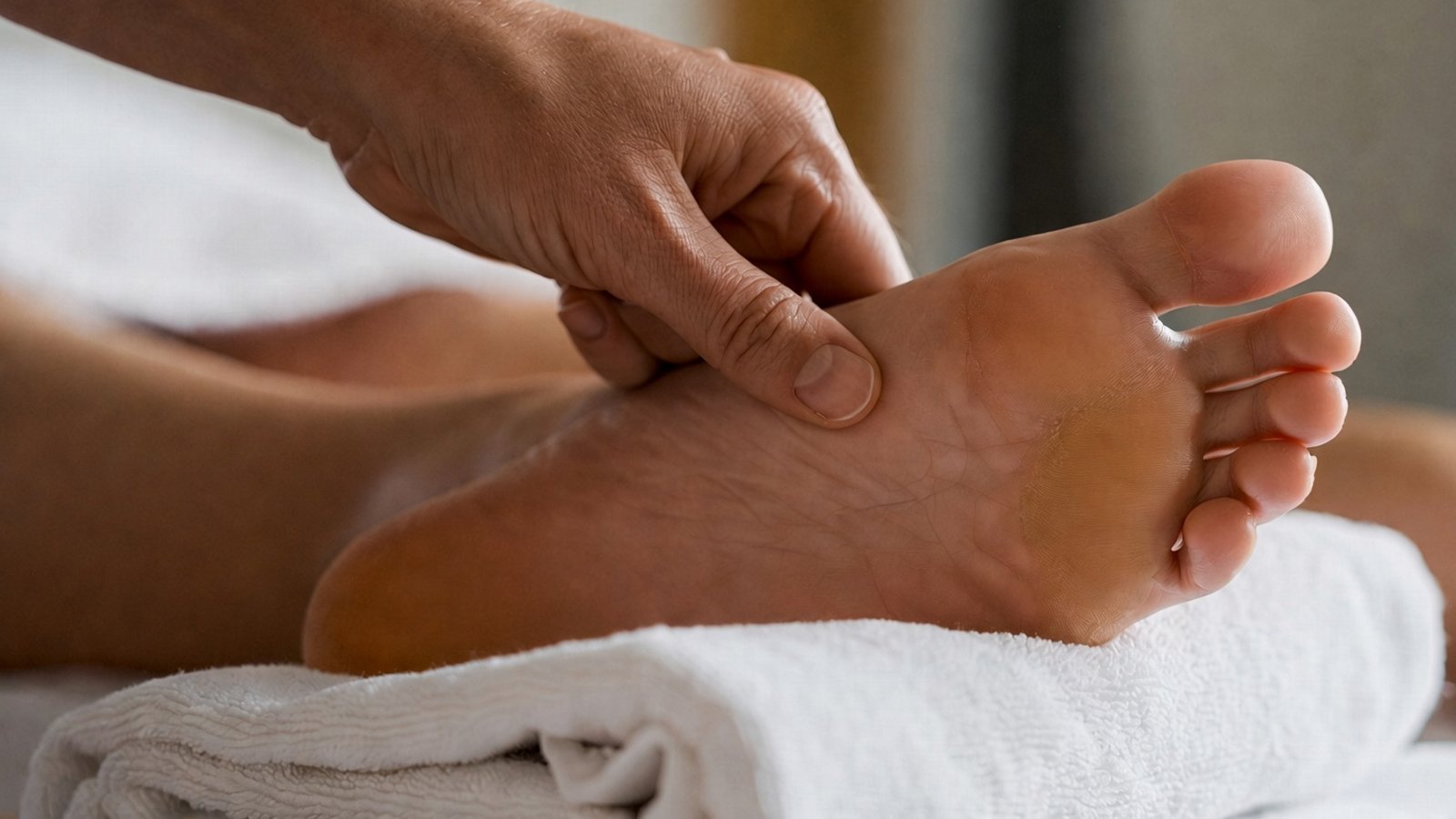
Can Shiatsu be combined with reflexology?
Yes. Many clients add reflexology in the same visit, and the plan is agreed in the consultation.
Book a private Shiatsu session in Mumbai
Sunil visits clients at home across Mumbai, and fees are agreed on enquiry. To arrange a first consultation, visit the Shiatsu page or get in touch. Enquiries are by WhatsApp messages only.